
Define the structure before asking for a price
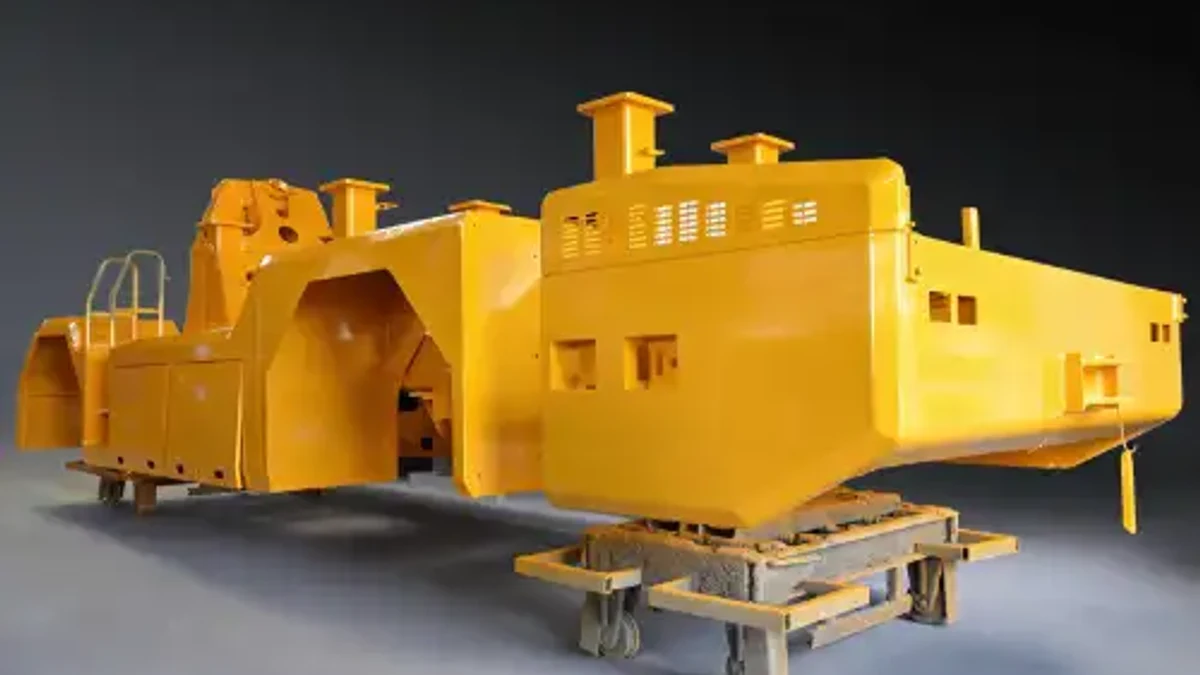
A railway service vehicle structure may be a welded base frame, an equipment platform, a body support or a larger fabricated assembly with machined mounting faces. Those are different purchases. An RFQ that asks only for a "railway vehicle frame" leaves bidders to make different assumptions about design responsibility, materials, machining, coating, assembly and inspection.
Start by defining the procurement object in one sentence. State whether the supplier is quoting build-to-print fabrication, manufacturing engineering from an approved design, or a broader assembly package. If the buyer expects the supplier to resolve load paths, fatigue details or regulatory compliance, that is design work and needs a separate responsibility boundary.
Realjet's made-to-drawing contract manufacturing service is relevant when the buyer has controlled technical inputs and needs a supplier to review manufacturability, fabricate the structure and deliver the agreed records. The RFQ still needs to say where that responsibility starts and ends.
Give every bidder the same controlled data
Send one indexed package rather than a mixture of email attachments. Include the latest released drawings, bill of materials, a 3D reference model where available, material specifications, weld information, machined-interface requirements, coating system and required quantity. Mark the governing revision on every controlled file.
The drawing package should distinguish critical characteristics from general dimensions. A long structure may have many measurements, but only some control installation, alignment or movement. Identify the datums, mating faces, hole patterns, bearing locations and clearance envelopes that affect the next assembly. Tell bidders which dimensions are inspected in the welded condition and which apply after machining or coating.
If the package is not fully released, show its status honestly. Separate approved data from preliminary data and list the expected release dates. A supplier can then price engineering review and material reservation without treating an unfinished design as ready for production.
Specify welding requirements and evidence
The RFQ should identify the applicable welding code, material groups, joint details, inspection extent and acceptance criteria selected by the buyer's engineering authority. "Railway standard welding" is not enough because it does not define a process or an acceptance level.
ISO 3834-1:2021 gives criteria for selecting among the quality-requirement levels in the ISO 3834 series. ISO 5817:2023 defines quality levels for imperfections in fusion-welded joints. Citing either document does not prove that a supplier holds a certification, and it does not select the correct quality level for the buyer. State the applicable edition, required level and contract evidence, then verify any supplier certificate and its scope directly.
Ask bidders to describe their proposed route for welding procedure qualification, welder qualification, consumable control, fit-up, distortion management and non-destructive testing. The response should identify subcontracted work. A low fabrication price may exclude testing, repair records or third-party witnessing that another bidder has included.
Decide the sequence for welding and machining
Machined interfaces often determine whether a fabricated frame installs correctly. The procurement question is not simply whether a supplier owns a large machine tool. It is whether the proposed sequence preserves the relationship among the welded structure, datums and finished interfaces.
Ask each supplier to mark which features are prepared before welding, which retain machining allowance, and which are finished after fabrication. Require a proposal for setup references and inspection access. If a face or bore cannot be reached in the assembled condition, the buyer may need a subassembly strategy or an agreed method for controlling the final relationship.
Do not prescribe stress relief or another treatment by habit. State any requirement from the approved design and ask the supplier to disclose its distortion-control method. The route depends on the material, geometry, weld sequence, tolerances and service requirements.
Make the document package part of the quotation
Two prices are not comparable until their evidence scope is comparable. Prepare a document schedule and ask the bidder to mark every item as included, optional or not applicable. Depending on the purchase, the schedule may cover:
- material certificates and traceability records;
- approved welding procedures and qualification evidence;
- welder qualification records relevant to the work;
- dimensional inspection reports tied to drawing characteristics;
- non-destructive testing reports and repair records;
- coating preparation and inspection records;
- packing records, preservation instructions and a release note.
Specify the required language, file format and timing. If records must be approved before shipment, say so. A promise to provide a "quality dossier" is too loose unless the contract defines its contents.
Compare capability against the actual geometry
Capability questions should use the real part envelope and mass. Ask for the supplier's proposed fabrication area, lifting arrangement, machining route and inspection method for the quoted structure. A general factory presentation cannot show whether the supplier can position and measure this assembly.
Relevant project evidence is more useful than a long customer list. Request examples with similar material thickness, weld complexity, machined interfaces or overall scale, while respecting confidentiality. Ask what was made in-house and what was outsourced. For a larger package, hold a technical clarification meeting around the manufacturing route and the open assumptions.
Realjet's published railway multifunction vehicle structure manufacturing page shows the type of fabricated structure discussed here. It is a product example, not a substitute for verifying capability against the buyer's drawings and contract requirements.
Set the delivery boundary before comparing price
Clarify who supplies free-issue items, purchased components, fasteners, hydraulic or electrical parts and temporary transport supports. State whether the scope ends at a bare fabricated structure, a coated assembly or a module with selected installed parts. If the buyer will install equipment later, identify the interfaces that need protection during transport.
Packing and transport may affect a large structure. Give bidders the destination, preferred shipping mode and known envelope constraints. Ask whether lifting lugs, transport frames, corrosion protection, export packing and unloading instructions are included. Do not assume an ex-works price covers these items.
The commercial schedule should also cover quantity, prototype or first-article status, repeat-order assumptions, buyer hold points, change control and treatment of non-conforming work. Define the event that starts lead time, such as drawing release and advance payment, instead of leaving the start date open to interpretation.
Send a package that produces a useful quotation
Send the supplier a drawing register, BOM, technical specification, evidence schedule, scope matrix and commercial enquiry sheet. Require a returned assumptions list. That list is often the fastest way to find missing machining, inspection, coating or packing costs.
For an initial Realjet review, provide the structure drawings, material grades, overall envelope and mass, critical interfaces, welding and inspection requirements, quantity, destination and required delivery condition. A useful quotation should explain the proposed manufacturing route and exclusions, not just give a unit price.