
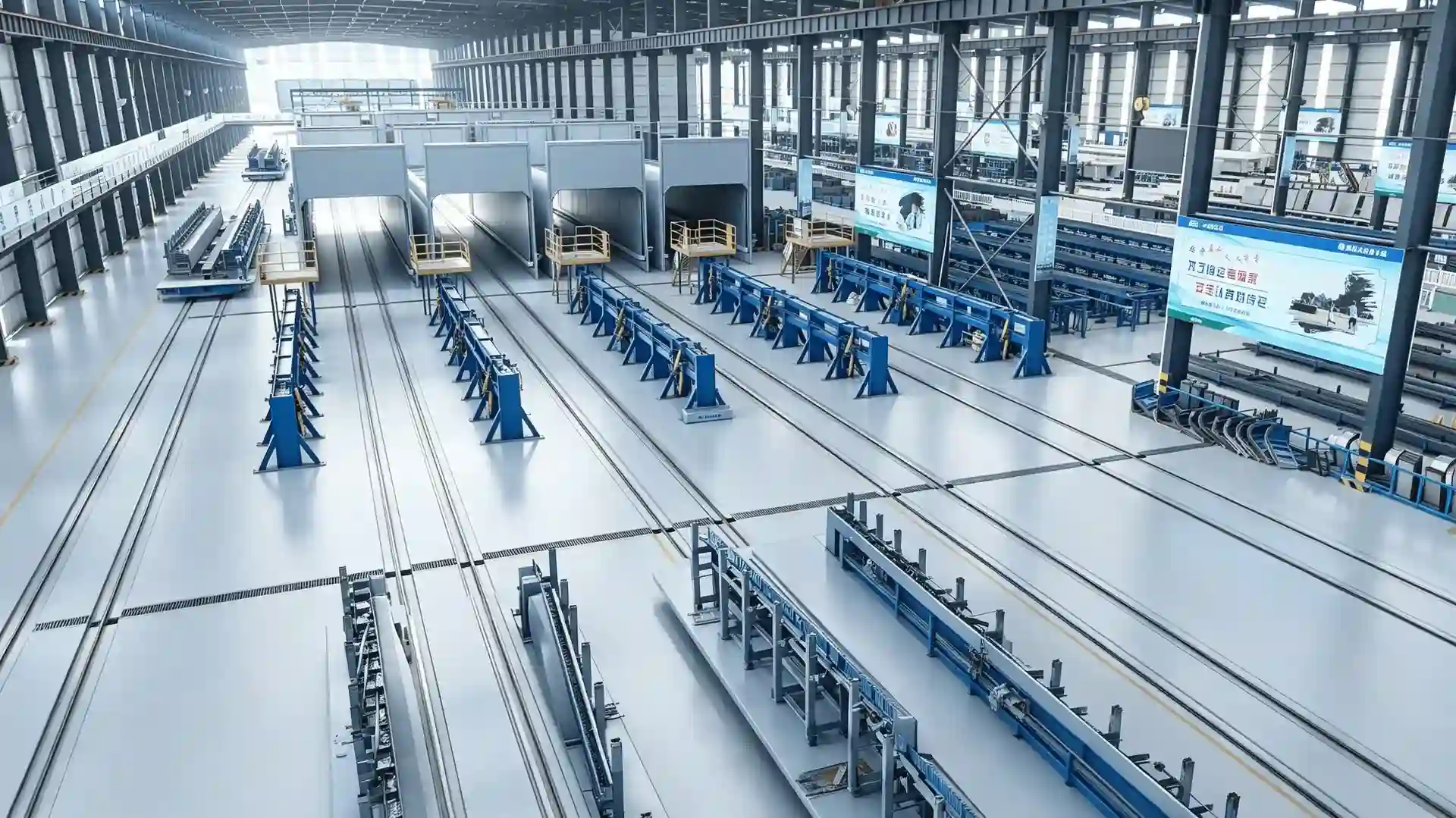
A wire drawing machine is only needed when wire is not bought finished
The spiral wire that holds a spun pile cage together is often supplied already drawn to the finished diameter. A plant that buys wire in the required finished condition may not need a wire drawing machine at all. The decision to draw wire on site depends on purchased-wire availability, production demand, material controls and the space the process needs, not on a rule that every line must have one.
Where finished wire is readily available at the right diameter, condition and coil format, buying it removes a process, a machine and a maintenance load from the plant. Where the required wire is hard to source, or where the reinforcement design uses a diameter that local suppliers do not stock, an on-site wire drawing machine gives the plant control over its own spiral-wire supply.
Start from the cage drawing, not the catalogue
The cage welding machine lays the spiral wire onto the longitudinal bars to form the cylindrical cage. The wire it needs, and therefore the wire the drawing machine must produce, is fixed by the cage drawing: the spiral-wire specification, the pitch schedule and the cage diameter. Begin the drawing-machine selection from those drawings rather than from a machine size.
The finished wire has to suit the pay-off arrangement of the cage welding machine. A coil that does not feed cleanly stalls the welding line regardless of the wire quality, so the finished coil format is a selection input in its own right, not an afterthought. Confirm the cage families that will share the drawing machine and the welding machine so that coil sizes and changeovers can be reviewed together.
Match the drawing route to the finished wire and coil format
The drawing route depends on the incoming wire and the finished wire the cage design requires. Typical inputs are the incoming and finished wire diameters, the wire material and required finished condition, the number of drawing stages and the tooling. A larger diameter reduction needs more stages and more tooling, and the pay-off, drawing and take-up arrangements should match the workshop flow and the downstream cage welding process.
Coil handling is where the route meets the floor. The incoming coil size, the take-up format and the space between the drawing machine and the cage welder decide whether the wire moves smoothly or becomes a manual bottleneck. Review these arrangements against the actual workshop layout rather than against a generic footprint.
Finished condition matters as much as diameter. Drawing changes the wire's surface and mechanical state, and the cage welding process expects a wire it can weld and pay off without extra preparation. State the required finished condition, not only the target diameter, so the drawing stages and tooling cover it.
Sizing the output to the cage welding demand
Use the spiral-wire demand for the planned cage sizes and pitch schedule, together with coil-change time and operating shifts. The finished coil format must also suit the pay-off arrangement of the cage welding machine. A drawing machine that outruns the welder simply builds coil inventory, while one that lags the welder starves it, so the target is a matched rate, not a maximum rate.
Do not size from average daily demand alone. The relevant figure is whether the drawing machine can supply several cage changes in quick succession during the planned shift, which depends on coil size, changeover time and the welding rate as much as on the machine's rated drawing speed.
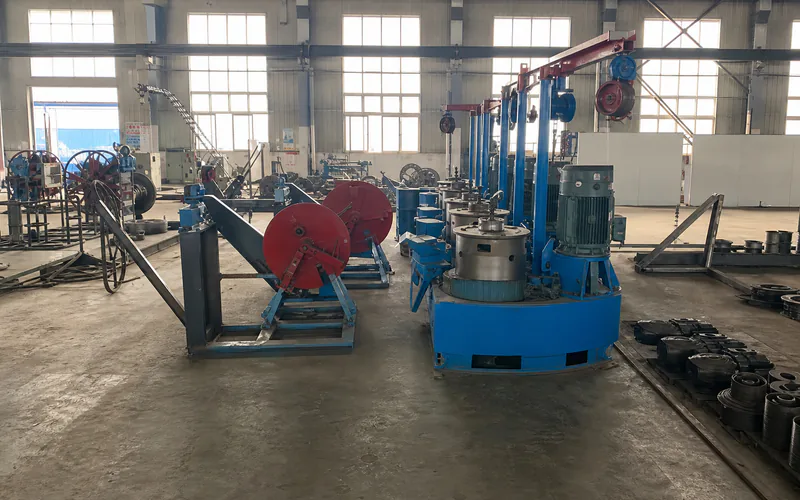
Wire Drawing Machine for Spun Pile Cage Wire
The wire drawing machine prepares the spiral wire to the finished diameter, so its drawing route, coil format and output must suit the cage welding pay-off and the reinforcement design.
View equipment detailsShop layout and coil handling
A drawing machine needs a straight, clear run from pay-off to take-up, plus room for coil storage and handling on both ends. Crowding the coil change area slows every changeover, and a changeover that is slow on paper becomes slower in a tight bay. Review the incoming coil delivery method, the storage space and the path to the cage welding machine before fixing the position.
Air, power and the connection to the welding line also belong in the layout review. The drawing machine is part of the reinforcement preparation sequence, so its position should shorten the distance the finished coil travels rather than add a handling step.
What to send the supplier with the enquiry
Send the incoming and finished wire diameters, the wire material and required finished condition, the cage drawings with the spiral-wire specification and pitch schedule, the cage families to be produced, the coil sizes and the available workshop space. State whether you currently buy finished wire or draw it, because that answer changes whether the machine is needed at all.
With those inputs, review the spun pile production line planning page so the drawing machine, where required, is reviewed as part of the reinforcement preparation chain rather than as a separate purchase. Share the cage drawings early and treat the first offer as the start of a scope discussion.