
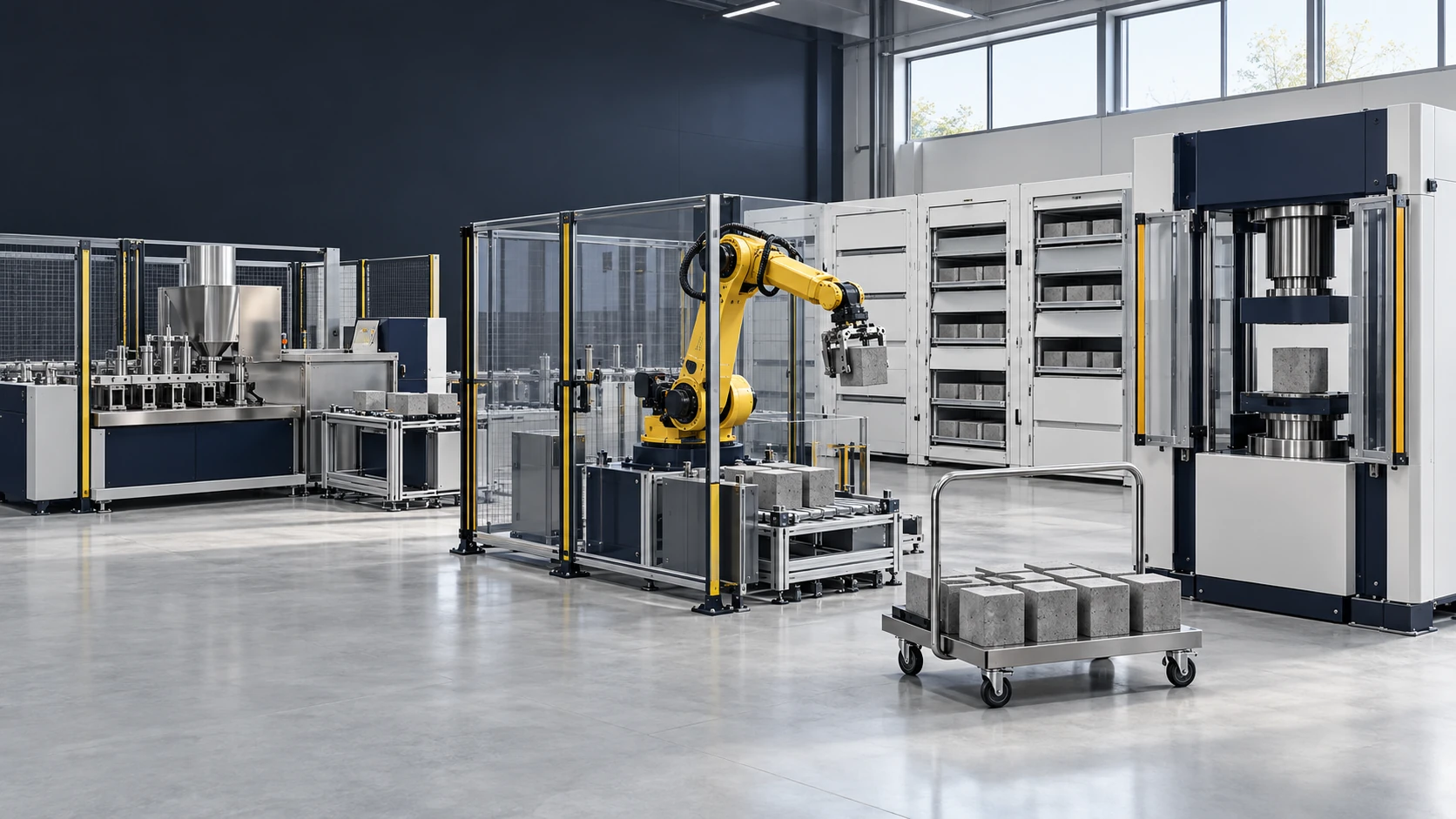
Concrete cube laboratory automation
Automate concrete cube preparation, curing and compression testing around your laboratory’s workload. REALJET plans and integrates a complete laboratory or the stage you need to upgrade.
Plant planning · Equipment integration · Installation & commissioning
What is an automated concrete cube laboratory?
An automated concrete cube laboratory connects specimen preparation, controlled curing and compression testing through coordinated equipment and specimen records. REALJET configures the workflow around daily intake, test ages and available space. Laboratories receiving already-cast specimens can begin with curing and testing; producers casting their own cubes can include preparation.
Reduce repeated handling
Use robotic transfer for agreed movements between moulds, storage positions and testing equipment.
Find each specimen at its test age
Associate specimen identity with its curing position and scheduled test date.
Choose the scope that matches your bottleneck.
Start with the tasks your team repeats most often. Preparation, curing and compression testing can be reviewed individually or designed together. The feeding route and handling equipment depend on your building and existing machines.
| Automation scope | Operations included in the review | Best starting point |
|---|---|---|
| Cube preparation | Filling, compaction, finishing, initial storage, demoulding and mould return | Ready-mix and precast producers casting their own specimens |
| Curing and testing | Specimen receipt, storage, age-based retrieval, robotic loading and test records | Laboratories receiving already-cast cubes |
| Integrated laboratory | Preparation, curing and testing with coordinated handovers | New laboratories or upgrades covering the full specimen workflow |
How the specimen moves through the laboratory.
Fresh concrete enters the preparation cell from an agreed collection point. Filled moulds remain in initial storage until demoulding. Identified specimens move to curing, then to compression testing at the scheduled age. Moulds return through cleaning and preparation for the next batch.
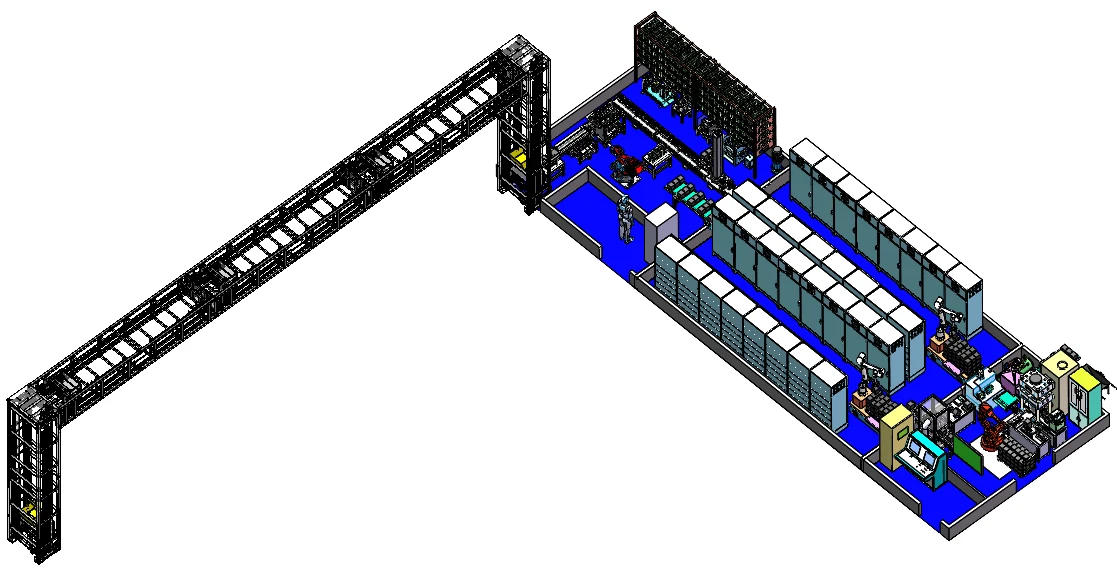
- 01Collect & feed
- 02Fill & compact
- 03Initial cure
- 04Demould & identify
- 05Cure & store
- 06Test & record
Mould return: clean → prepare → refill.
Explore the equipment for each work area.
Review the operation, configuration options and specification inputs for each stage. REALJET defines the interfaces between the equipment selected for your project.
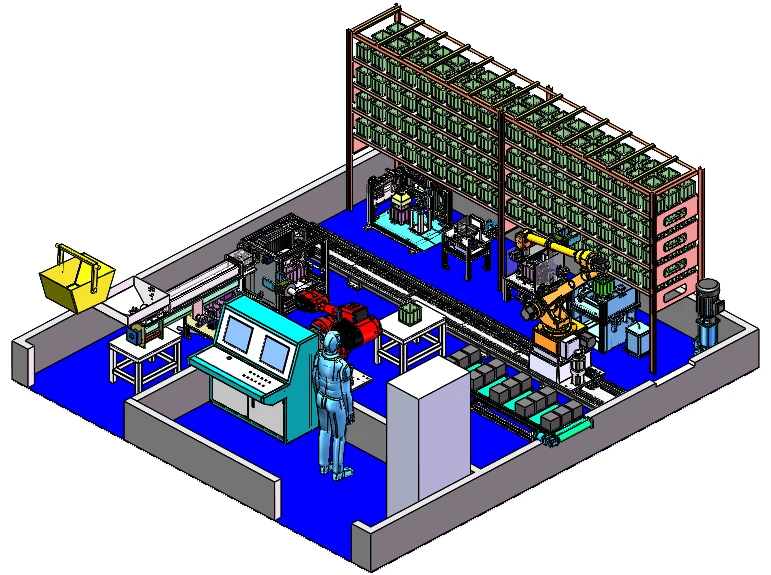
Automatic Concrete Cube Making Machine
REALJET automatic concrete cube preparation cells combine controlled filling, compaction, finishing, demoulding and mould recycling.
Explore cube preparation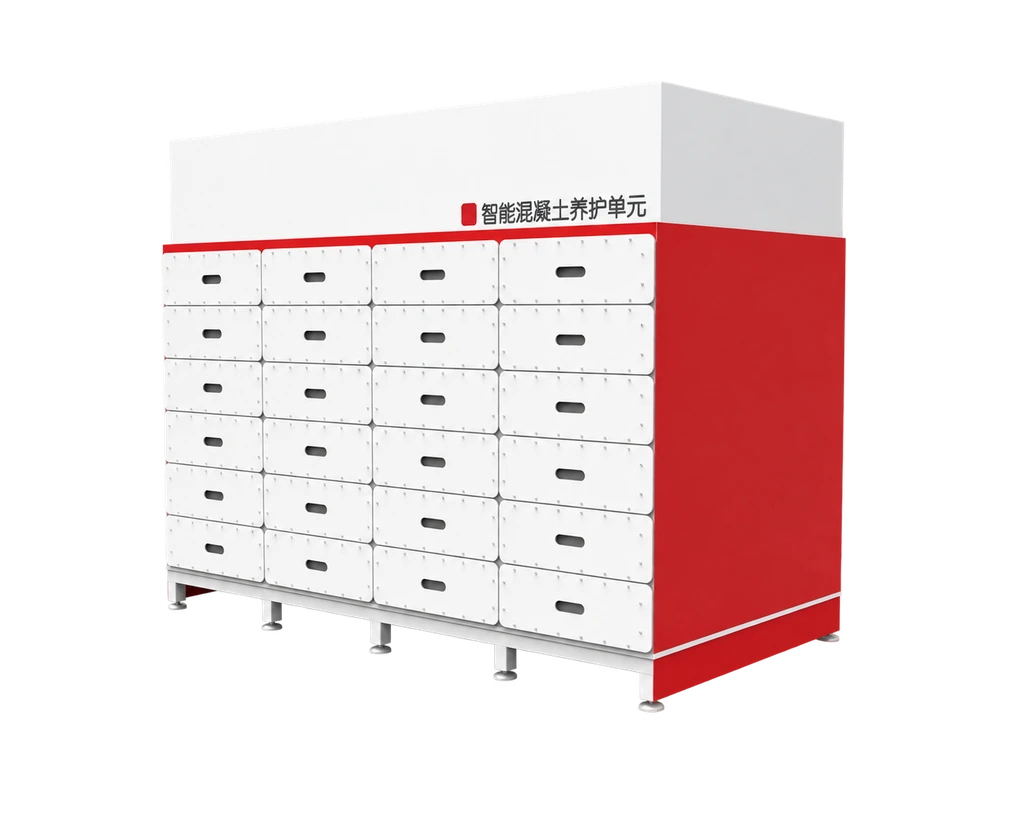
Concrete Specimen Curing & Storage System
REALJET concrete specimen curing systems coordinate environmental control, specimen storage, scheduled retrieval and robotic handling.
Explore curing and storage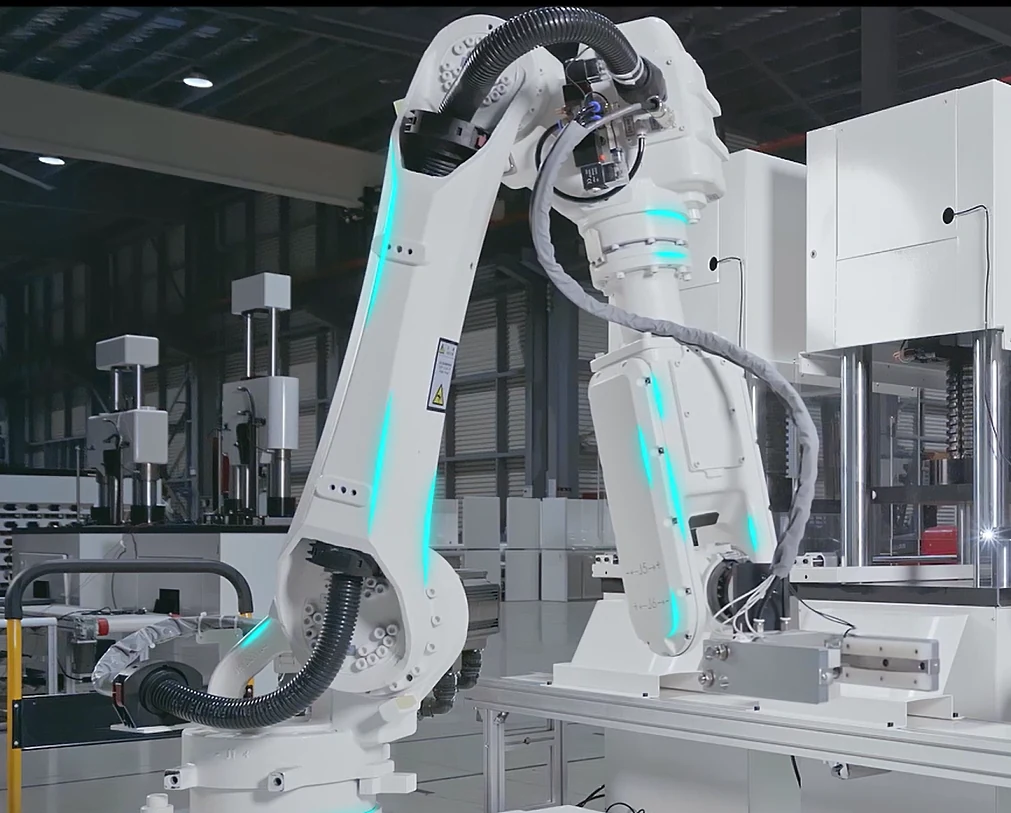
Robotic Concrete Compression Testing Workstation
REALJET robotic concrete compression testing workstations connect identification, specimen loading, testing, unloading and waste handling.
Explore compression testingSpecify feeding, handling and records with the equipment.
These supporting functions are selected during layout and interface design. They form part of the agreed project scope.
Fresh concrete feeding
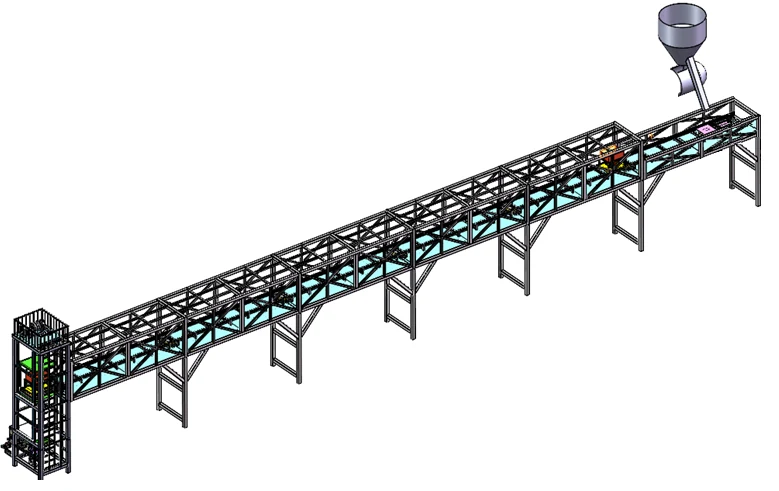
Choose a local hopper or a transfer route from the collection point. Elevated conveyors and lifts need a review of headroom, structure, cleaning access and concrete residence time.
Specimen movement
Select fixed, rail-mounted or mobile handling around the distance, floor conditions and transfer height. A mobile robot is useful where the planned route requires it.
Specimen identification and records
Define batch identity, specimen ID, storage location, test age and result exchange. Existing laboratory software needs an interface review before integration is specified.
Where should your laboratory begin?
The first automated stage depends on where specimens enter your workflow.
Ready-mix producers
Start with sample arrival and repeated cube preparation. Review peak batching periods, mix changes and washout alongside average daily volume.
Precast factories
Connect each cube to its production batch. Define the purpose of laboratory curing separately from any production element curing process.
Independent testing laboratories
Begin with specimen receipt, curing inventory and testing demand. Add a preparation cell only when the laboratory also casts specimens.
How much curing storage do you need?
For a steady intake held to a single test age, base storage equals groups received per day multiplied by days held. Multiply by specimens per group to estimate individual specimen positions. Mixed test ages need separate inventory calculations. Add peak intake, reserve space and access allowances before selecting the final configuration.
Planning example only. The calculator estimates specimen inventory; it does not specify a machine rating or a guaranteed system capacity.
What determines the layout and project cost?
The estimate depends on specimen volume, curing method, the automation scope and the equipment already installed. Compare quotes against the same operating schedule and acceptance criteria. Include utilities, building interfaces, installation, training and maintenance access in the review.
- 01
Define the workload
Record daily and peak intake, specimen geometry, test ages and existing equipment.
- 02
Plan the configuration
Balance preparation capacity, curing inventory, transport and testing demand.
- 03
Verify the interfaces
Confirm collection points, machine signals, software, utilities and access.
- 04
Install and hand over
Commission the agreed sequence, train operators and prepare maintenance and recovery procedures.
| Send REALJET | Why it matters |
|---|---|
| Specimen dimensions and test method | Defines moulds, grippers, curing conditions and machine selection |
| Daily intake, peaks and test ages | Balances preparation, storage inventory and testing demand |
| Room drawing and collection point | Sets equipment positions, routes, access and utility interfaces |
| Existing machine and software details | Establishes what can be retained and what needs adaptation |
Concrete laboratory questions.
Start with the operation you need to change. REALJET will help define the equipment and interfaces.
Do I need to automate the whole laboratory?
You can start with one work area. A preparation cell suits laboratories casting cubes; curing and robotic testing suit laboratories receiving already-cast specimens. REALJET reviews the handovers and provision for later stages before defining the scope.
Can the system handle cylinders or concrete cores?
The illustrated equipment uses 150 mm concrete cubes as its design basis. Cylinders, cores and other cube sizes need a separate review of moulds, gripping, storage and compression machine interfaces.
Can existing compression machines be retained?
An existing machine can be reviewed for reuse. REALJET needs its model, loading access, platen geometry, safety interfaces and available control or data connections before confirming compatibility.
How do manual and automated workflows differ?
A manual workflow relies on operators for mould handling, storage transfers and machine loading. An automated workflow assigns selected movements and schedules to equipment. Operators still manage sample acceptance, exceptions, maintenance and result review.
Is the feeding conveyor required?
The feeding route depends on the collection point. A local hopper may suit a nearby source. An elevated transfer route requires sufficient headroom, structural support and cleaning access. It is an optional part of the layout.
Does automation certify a laboratory or guarantee method compliance?
Laboratory accreditation and test-method compliance require their own documented procedures and verification. The selected method must be reflected in equipment settings, curing conditions, specimen handling and acceptance checks.
Get a layout for your
specimen workflow.
Tell REALJET your daily intake, test ages and available space. Start with the details you have.