
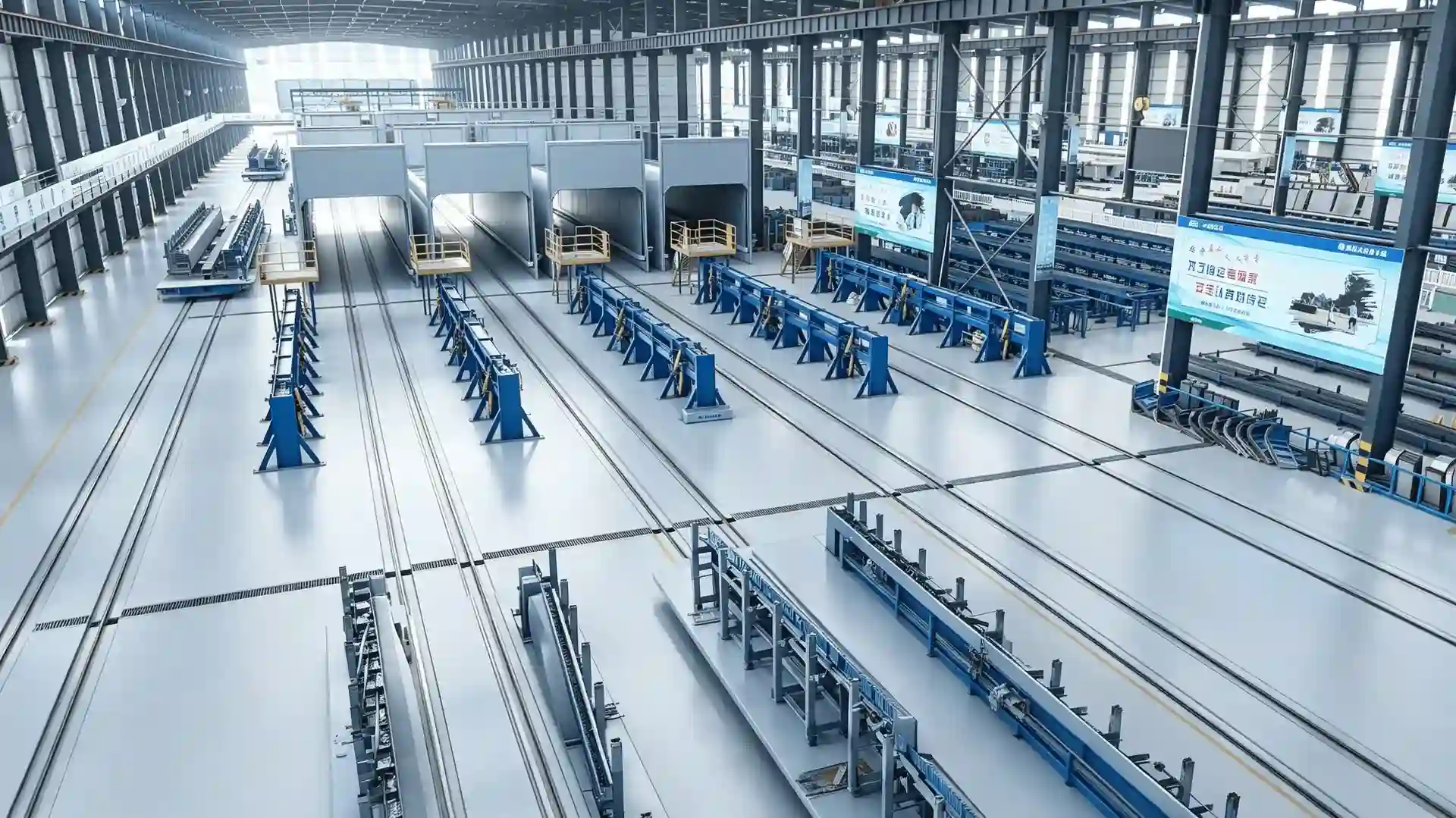
What the batching plant has to deliver
A spun pile line consumes concrete in pulses. Each mould needs a measured batch, delivered within the window the feeding station allows, and the plant has to recover and mix the next batch while the previous mould is still being filled. That pattern separates batching for spun piles from batching for a continuous pour, and it is the reason two plants rated for the same daily volume can behave very differently on a pile line.
The plant's job is defined by the approved mix and the mould schedule together. Aggregate storage and weighing, the mixer batch volume, water and admixture dosing and the discharge arrangement all have to suit both. GB/T 13476-2023 governs the pile product itself, and the concrete behind it follows the mix design the project approves; EN 12794 plays the same role for precast foundation piles in the European market.
Size the plant from batch demand
Start from the concrete volume in one pile, the number of moulds the feeding station serves and the time each feeding takes. A plant that covers the average hourly demand may still fail to deliver three moulds in quick succession at the start of a shift, and that peak is what the feeding station actually experiences. Mixer batch volume also has to match the mould: a batch that leaves the mixer in two discharges slows the station and complicates quality control.
Shift pattern matters as much as rated capacity. A line running one long shift presents a steady profile, while a line that feeds many moulds in a short window needs the mixer, weighing systems and material delivery to work together at the peak. Storage for aggregates and cement decides whether the plant can sustain that peak without delivery interruptions.
Leave a deliberate margin in the batch demand calculation. Pile diameters and lengths change across a project range, and the largest pile in the range, not the average one, sets the batch volume and the peak the plant must serve. A line that adds a second spinning machine later multiplies the concrete demand without changing the plant's location, so the footprint, the material delivery routes and the space for a future second mixer line are worth confirming while the layout is still open.
Mix design, materials and dosing
The approved mix determines the dosing systems the plant needs. Admixture dosing has to match the mix design, because spun pile concrete is placed into a mould, tensioned and spun, and its workability window affects the whole downstream sequence. Aggregate moisture measurement and water correction keep the measured batch within the approved tolerances, and binder handling has to suit the cement and additions the project uses.
These are inputs you can state precisely in an enquiry: the mix design reference, the admixture types, the number of aggregates and binders, and the batching tolerances the project requires. A supplier who receives them can propose a plant that fits the mix instead of a generic output figure.
Discharge timing and the mould feeding cycle
The interface between plant and line is the discharge point. Its height must suit the concrete transport to the feeding station, whether that is a skip, a conveyor or a trolley, and the discharge timing has to fit the mould cycle the line plan assumes. A feeding station that waits for concrete holds the mould, the crane and the crew; the cost of that waiting never appears in the plant quotation, but it appears in the line output.
Distance matters too. A plant placed far from the feeding station adds transport time to every batch and exposes the concrete to workability loss on the way. The layout decision belongs to the line plan, so review it together with the plant selection rather than after the plant is bought.
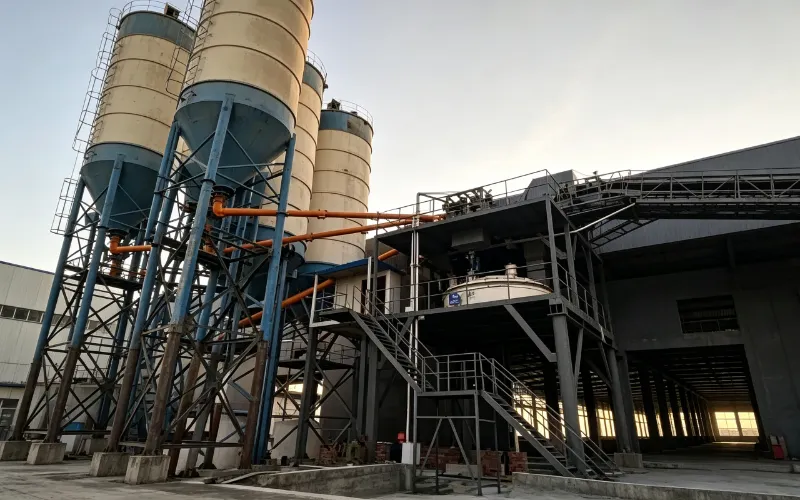
Concrete Batching Plant for Spun Piles
The batching plant sets the concrete supply rhythm for the whole line, and its batch size, discharge timing and dosing systems decide whether the mould feeding cycle holds.
View equipment detailsReview an existing plant before you rule it out
Where a site already has a batching plant, reuse is often possible, but only after a review against the proposed pile mix, the dosing requirements, the discharge height and the transport route to the feeding station. The existing capacity also has to hold during the planned shift peak, and the weighing systems must meet the accuracy the project tolerances require.
Ask who owns the batch records as part of the review. Pile production quality files reference the concrete batches behind each pile, so the weighing accuracy, the moisture correction and the record output of an existing plant have to support the traceability the project requires, whether the plant is reused or replaced.
The review should end in one of two clear outcomes: a defined retrofit scope with the items to be modified or added, or a statement that a new plant is the better basis for the project. An open-ended answer that leaves the reuse question undecided tends to surface as a change order after the line design is fixed.
Inputs that make quotations comparable
Prepare the concrete volume per pile, the mould schedule and shift pattern, the mix design with admixture details, the discharge interface and the site layout around the feeding station. State whether an existing plant is to be reused or replaced. With those inputs, the spun pile production line planning page is the place to start a scope discussion, and quotations can be compared on the same assumptions instead of on mixer output alone.