
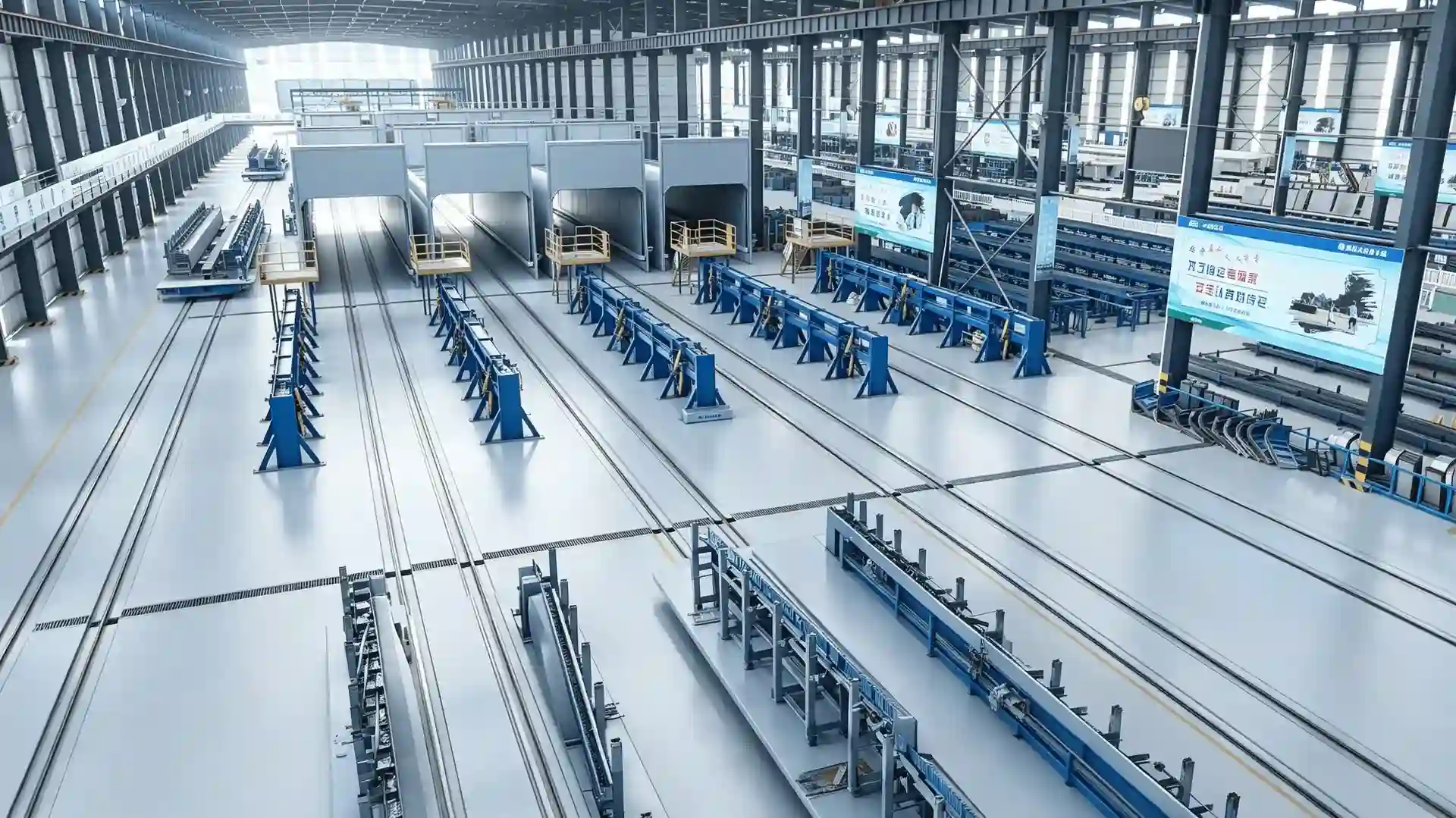
What commissioning means on a spun pile line
Commissioning is the stage where the supplied equipment is installed, connected and run with real materials until it produces piles that meet the approved design. It is not a single test. On a spun pile line it covers the mould and reinforcement handling, the tensioning station, the centrifugal spinning machine, the curing system and the material flow between them.
A buyer should treat commissioning as a defined deliverable in the supply contract, with its own scope, schedule and acceptance criteria. Settle those points early and you avoid most surprises when the first trial piles come out of the mould.
Separate equipment supply from commissioning responsibility
The supplier can provide the machines, but the boundary of that supply is not automatic. Before the line arrives, confirm who prepares the civil works, the foundations, the utility connections and the production building. These are usually the buyer's scope, while the equipment maker supplies, installs and commissions the machines within the agreed package.
Write down which party connects each interface: electrical supply to the panel, water treatment for the boiler, compressed air to the tools, and steam distribution to the curing pits. Leave any of these vague and the trial run stalls on a missing connection rather than on a machine fault.
Also agree on operator training, spare parts and the first maintenance interval as part of the commissioning scope. These items are easy to leave for later, yet they decide whether the line keeps running after the supplier leaves.
Prepare steam and curing control for the trial runs
The curing system needs to be ready before the first piles are spun, because the line cannot release a mould until the concrete reaches the agreed release strength. The boiler capacity and steam conditions should match the curing volume and the cycle planned for the commissioning batch.
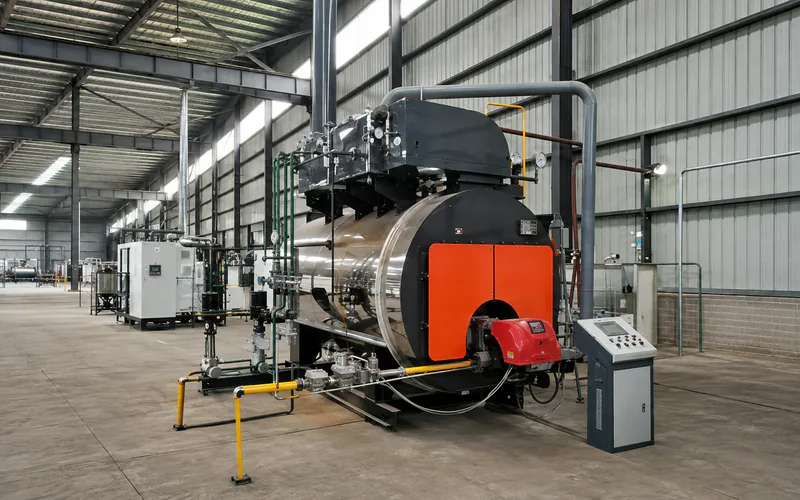
Steam Boiler for Spun Pile Curing
The boiler supplies steam for the trial curing runs. Its capacity and steam conditions must match the curing volume and cycle agreed for the commissioning batch before the line is accepted.
View equipment detailsThe curing control cabinet records the temperature profile and the operating stages during each curing run. Its zones, sensor positions and steam-valve interfaces must match the curing layout you agreed with the supplier, and the recording format should suit the quality records your project requires.
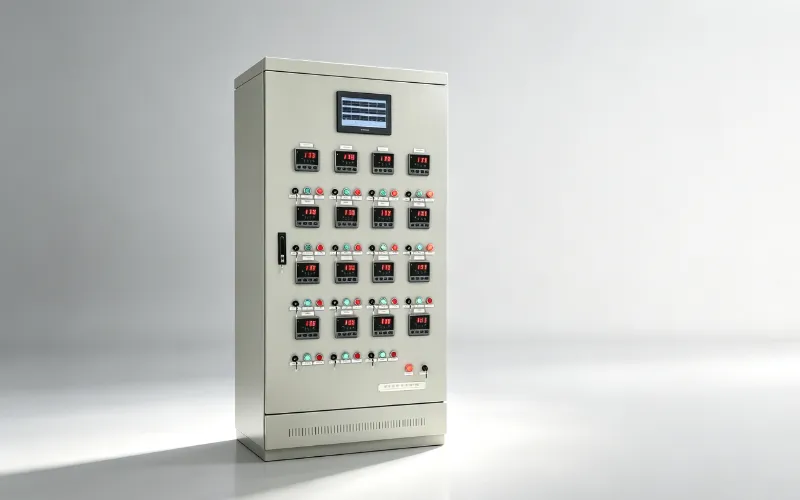
Steam Curing Control Cabinet for Spun Piles
During commissioning the cabinet records curing temperatures and stages. Its zones, sensors and steam-valve interfaces should be confirmed against the agreed curing layout before trial piles are released.
View equipment detailsA useful check at this point is to run the curing cycle with the same concrete mix and pile section you intend to produce, then review the temperature records against the approved curing procedure. Temperature alone does not prove release strength, but it shows whether the control system is behaving as specified.
Plan handling and lifting for trial production
Trial production moves full moulds between stations, and that exposes any mismatch between the mould mass and the handling equipment. The twin-hook overhead crane must lift long moulds at the two defined points, with hook load, span and lifting height matched to the bay and the moulds you will use.
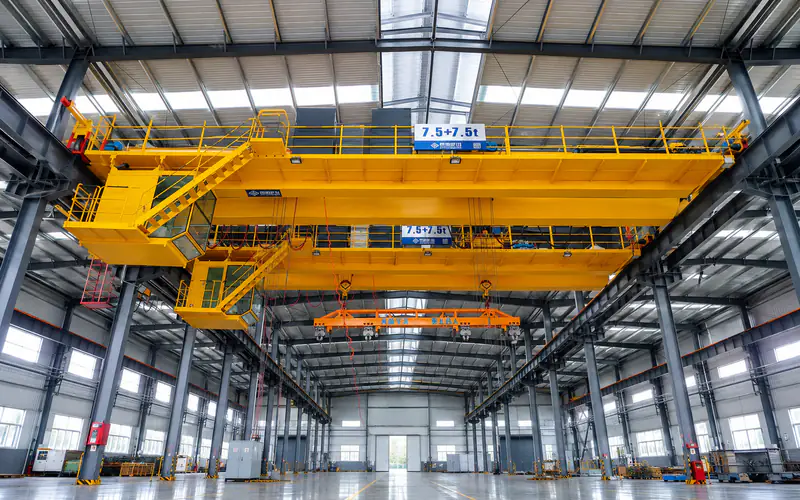
Twin-Hook Overhead Crane for Spun Pile Moulds
The crane moves long moulds between trial stations. Its hook load, span and lifting points must suit the mould mass and bay layout agreed for the commissioning plan.
View equipment detailsConfirm the lifting points on the mould drawing and the crane's rated load at each hook, not just the total mass. An unequal load split is common on long moulds, and the lifting plan should reflect the actual centre of gravity before anyone moves a loaded mould.
Set acceptance checks against the approved product
Acceptance is measured against the pile you agreed to make, not against a generic machine specification. The trial piles should be checked for dimensions, end plate condition, surface defects and prestressing arrangement using the method set by the applicable standard, such as GB/T 13476-2023 in China or EN 12794 in the European market.
Keep the production records from the trial runs: material batches, tensioning force and elongation, spinning recipe, curing temperature and time, and the inspection results. Those records are what let you confirm the line repeats the result, and they support later quality audits.
List what the buyer must have ready
Commissioning fails as often on missing buyer inputs as on equipment faults. Before the supplier arrives, prepare the approved pile drawings and reinforcement details, a qualified concrete mix, the prestressing steel and the raw materials, the finished building with utilities connected, and operators trained on the process.
Decide early who runs the trial production: your crew, the supplier's specialists, or a mixed team. The people who will operate the line after handover should take part in the trial runs so the process knowledge stays with your plant.
Keep the scope and acceptance criteria in writing
A spun pile line is a project, not a single machine, so the contract should state what "commissioning complete" means. Define the trial product, the quantity, the checks, the records and the point at which responsibility passes to the buyer. Realjet can include the equipment in a coordinated package and confirm dimensions, controls and supply boundaries against your project before the proposal is finalised.
If you are preparing a new line, review the spun pile production line solution and share your pile drawings and the selection inputs above so the commissioning scope can be matched to your plant.