
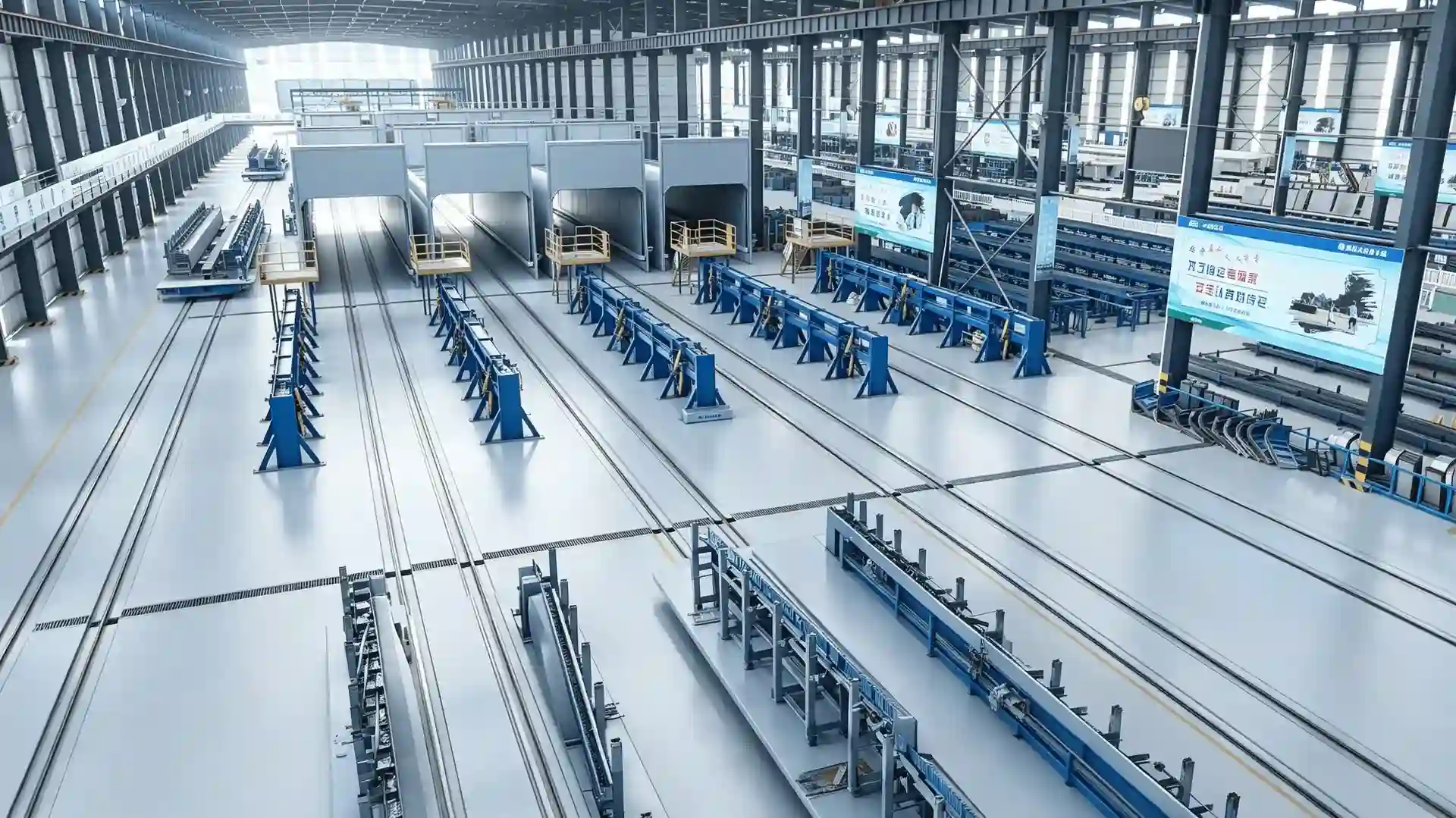
Start from the pile target and the curing clock
A new line is usually sized from a number of piles per day. That number alone does not buy any equipment. Casting one pile takes minutes; curing holds the mould for many hours, and every hour of that occupancy is an hour the mould cannot be filled again. The output a line can sustain therefore comes out of the curing cycle and the mould pool, not out of the rated speed of any single machine.
A steam curing cycle runs through the same four stages precast producers everywhere follow: a preset delay while the concrete sets, a controlled temperature rise, a holding period at the target temperature and a controlled cool-down before handling. The Portland Cement Association's concrete curing guidance describes this sequence and notes that steam is normally delayed a few hours after casting. The Canadian Precast/Prestressed Concrete Institute puts the controlled ramp at 10 to 20 °C per hour and the holding stage at around 60 to 70 °C. Those hours, repeated on every pile, are what occupy the mould pool, so they are the first numbers to put on paper when a line is sized.
Mould count before machine count
The first quantity to fix is the number of moulds. If curing occupies a mould for most of a day, a one-shift casting rhythm needs a mould pool at least equal to the moulds sitting in the curing pits plus those being filled, spun and moved. A line that wants to cast twice per shift against the same curing cycle needs roughly twice the mould pool, and no faster machine will substitute for that.
The pile schedule shapes the pool as much as the quantity does. Each diameter and length family needs its own moulds, and the largest pile in the range sets the load that handling and spinning equipment must accept. The product itself is defined by the governing standard, GB/T 13476-2023 for pretensioned spun concrete piles in China or EN 12794 for precast foundation piles in European markets, and the mould is the tool that carries that product through tensioning, spinning and curing. Treating the mould pool as the unit of capacity keeps the sizing grounded, because the machines exist to serve that flow.
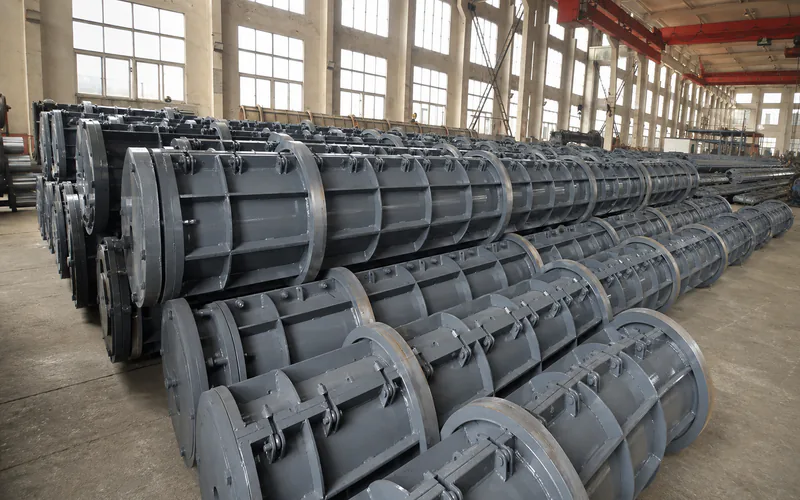
Steel Mould for Prestressed Spun Concrete Piles
The steel mould stays occupied from cage loading to demoulding, so the mould count, not any single machine, sets the output a spun pile line can reach.
View equipment detailsSpinning and feeding follow the mould flow
The spinning stations sit between casting and curing. Each spinning machine serves one mould at a time, and a queue of filled moulds forms whenever casting runs faster than spinning. Average daily output hides this peak: the station experiences the first hour of the shift, when several moulds arrive in quick succession, not the even pace of the day. The number of stations, their roller capacity and the concrete supply rhythm all have to absorb that queue.
Concrete delivery follows the same logic. The batching plant feeds moulds in measured batches, so its batch volume and discharge timing are set by the mould schedule rather than by an average hourly figure. When a second spinning machine is added later, concrete demand multiplies without anything else moving, which is one more reason the mould flow, not the machine list, should drive the layout.
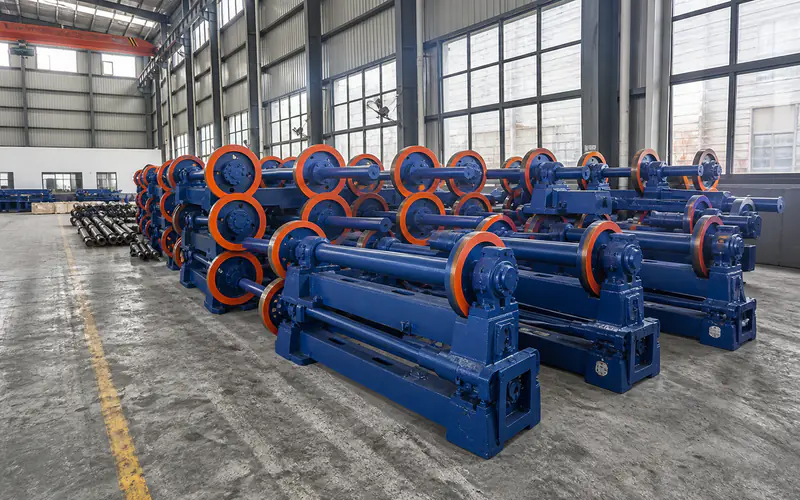
Centrifugal Spinning Machine for Concrete Piles
The centrifugal spinning machine must absorb the mould flow at peak casting, so station count and roller capacity follow the mould pool rather than average output.
View equipment detailsHandling is part of the cycle
Between stations, the mould travels: casting to spinning, spinning to the curing pit, pit to demoulding, and the empty mould back to the loading position. A twin-hook overhead crane lifts long moulds at two coordinated points, and transfer trolleys carry moulds and piles along the floor routes. Every transfer adds minutes to the cycle of every pile, and a crane that serves too many stations becomes the silent bottleneck that no amount of extra moulds can remove.
Handling also decides whether the curing pits can be turned around on schedule. Pits need to be emptied, refilled and sealed while the casting rhythm continues, and that work competes with mould loading for the same crane. Reviewing the lift sequence against the pit arrangement before the equipment list is fixed costs nothing; discovering the conflict after installation costs a shutdown.
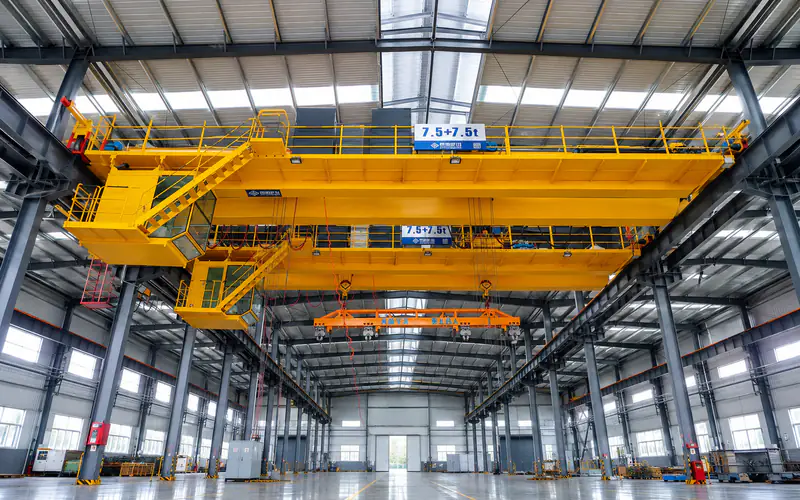
Twin-Hook Overhead Crane for Spun Pile Moulds
The twin-hook overhead crane moves long moulds between casting, spinning and curing, so its lift capacity and travel route shape the cycle the line can hold.
View equipment detailsTurn the sizes into an equipment scope
With the output target, shift pattern, pile size schedule and curing cycle stated, the equipment scope follows as a chain: the mould pool, the spinning stations, the handling equipment, the concrete supply and the curing control. Each item can then be quoted against the same assumptions, and the differences between quotations become real scope differences instead of missing items.
Prepare those four inputs before requesting offers. State the piles per shift you want to reach, the diameter and length families, the curing cycle you plan to run and any site limits such as bay span or pit depth. A supplier working from these numbers can size the whole line; one working from a pile count alone can only guess at the mould pool and the spinning stations behind it.
Buy the line as one flow
The machines in a spun pile line are connected by the mould that passes through them. Sizing the line means sizing that flow: enough moulds to cover the curing cycle, enough spinning capacity for the casting peak, enough handling to keep the pits turning over. The spun pile production line planning page is where those numbers can be turned into an equipment scope with a supplier, and it is worth starting that conversation before any single machine is quoted on its own.