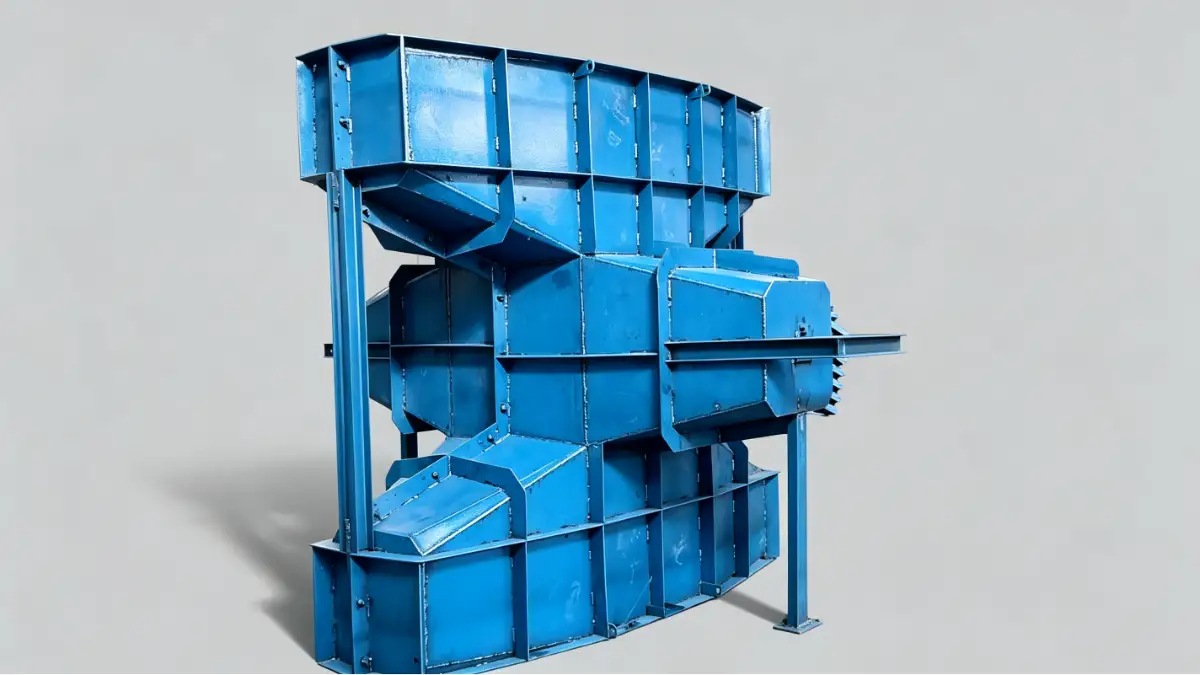
Breakwater and coastal-protection applications
These moulds are reviewed for interlocking concrete armour units used in breakwaters, revetments, seawalls and related coastal-protection works. Engineering begins with the approved unit geometry, single-unit volume or mass, casting direction, required mould quantity, target output, curing method and handling plan.
The generic product name used here does not imply a licence for any proprietary armour-unit system. Project documentation and naming must follow the rights and approvals supplied by the customer.
Is this mould relevant to your project?
This mould type may be relevant when:
- The approved armour-unit geometry and size or mass range are available
- Segmentation must allow release from an interlocking or multi-face shape
- Mould quantity and opening sequence must support a defined production plan
- Lifting, turning, curing and storage interfaces need to be reviewed together
Configuration directions
| Configuration direction | When it may be considered | Main review focus |
|---|---|---|
| Manually opened segmented mould | Unit size and available lifting equipment allow direct panel handling | Segment joints, locking, sealing and lifting points |
| Lifting-assisted segmented mould | Individual panels require coordinated crane or handling support | Panel mass, lifting sequence, access and storage position |
| Mechanically or hydraulically assisted opening | Repeated movement or geometry justifies powered assistance | Opening path, supports, controls, safety and maintenance |
Mould segmentation and operation
- Steel mould segments configured to the approved unit geometry
- Joint, locking and sealing details reviewed for repeat casting
- Opening and demoulding sequence developed around the unit shape and available handling equipment
- Base arrangement, casting orientation and access for concrete placement and vibration reviewed together
- Lifting, turning, movement and storage interfaces coordinated with the production plan
Production and quality review
The technical review should define mould quantity, casting cycle, preparation and release sequence, concrete placement and vibration access, curing direction, demoulding method, lifting points, workshop trial assembly and the dimensional inspection basis.
Final dimensions, tolerances, materials, operating method and acceptance criteria remain subject to approved project documents and the agreed inspection plan.
Required project inputs
Use the enquiry Message to identify the armour-unit type, main size or mass range, target daily output and whether approved drawings are available. Realjet will request confidential drawings and detailed production information through an appropriate follow-up channel.
About Realjet
Realjet reviews project-specific mould requirements from the approved geometry and production plan. Final scope can include mould engineering, steel fabrication, workshop assembly, inspection and agreed interfaces for installation or production support.