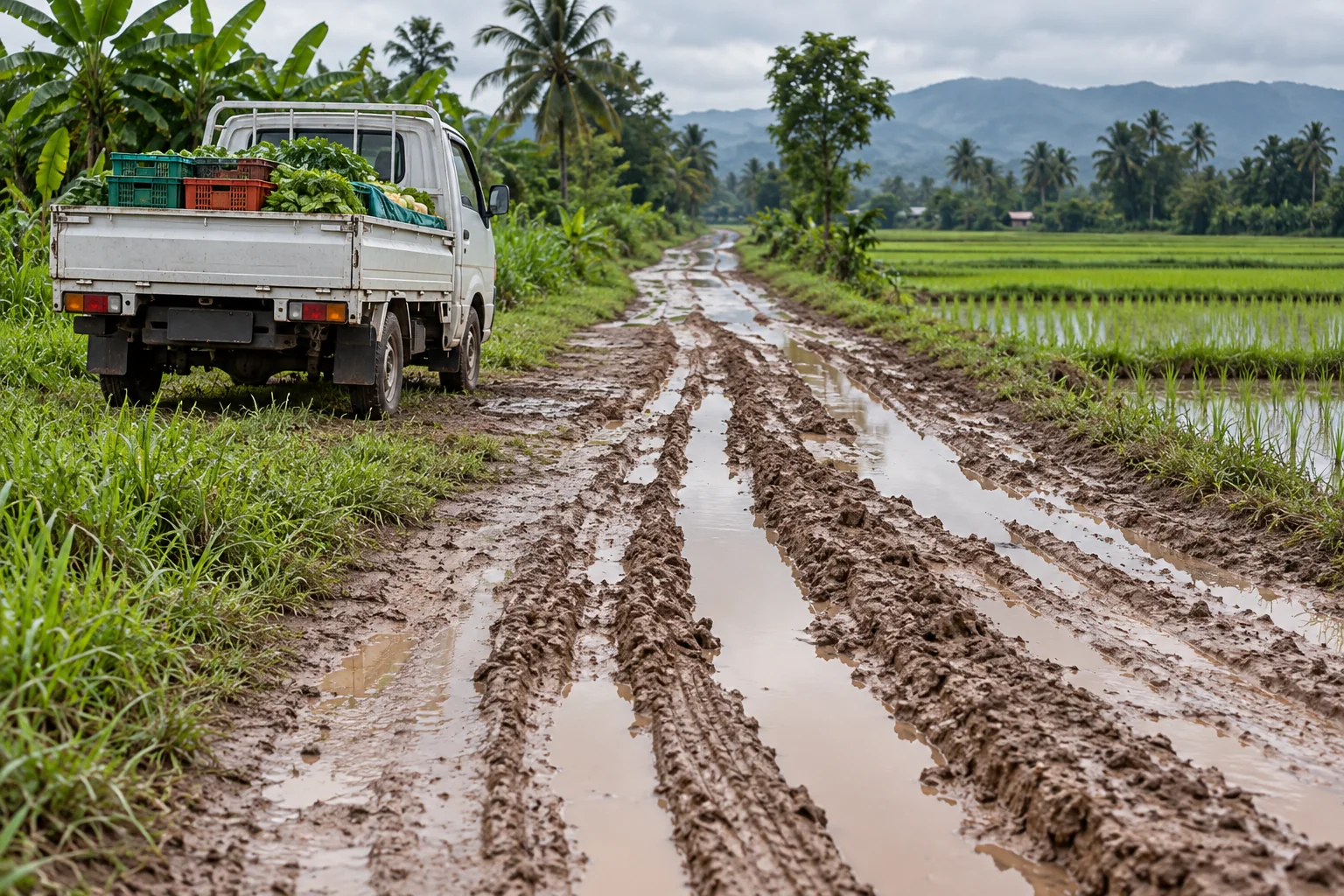
Difficult Access After Rain
Mud and ruts can restrict produce trucks, farm machinery and construction vehicles. Road upgrades need suitable load capacity and drainage.

Concrete mixing, screeding, power trowelling and joint-cutting solutions for farm roads, produce collection yards, livestock facilities and irrigation works.
Mud and ruts can restrict produce trucks, farm machinery and construction vehicles. Road upgrades need suitable load capacity and drainage.
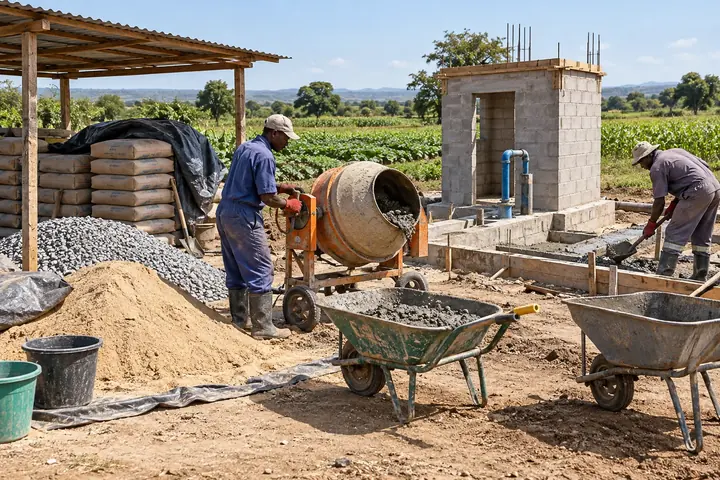
Long distances from ready-mix plants and small pours can disrupt the schedule. On-site mixing needs a reliable supply of suitable materials, water and batching controls.
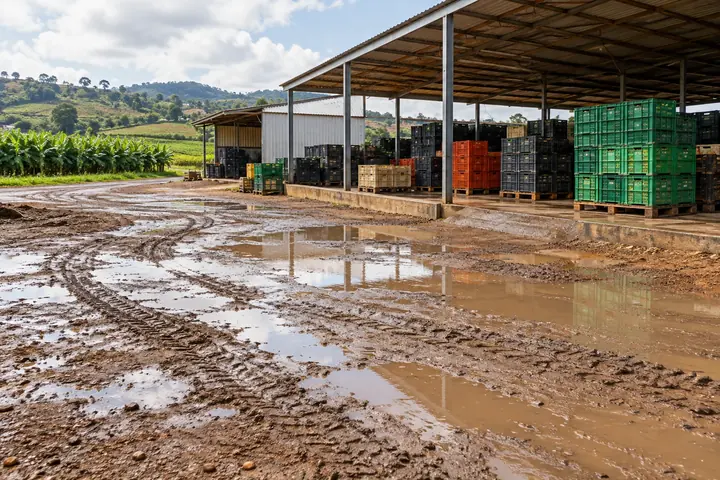
Mud and standing water affect loading yards and cleaning. Wet livestock areas also need slip resistance. Select drainage falls and surface finishes for each use.
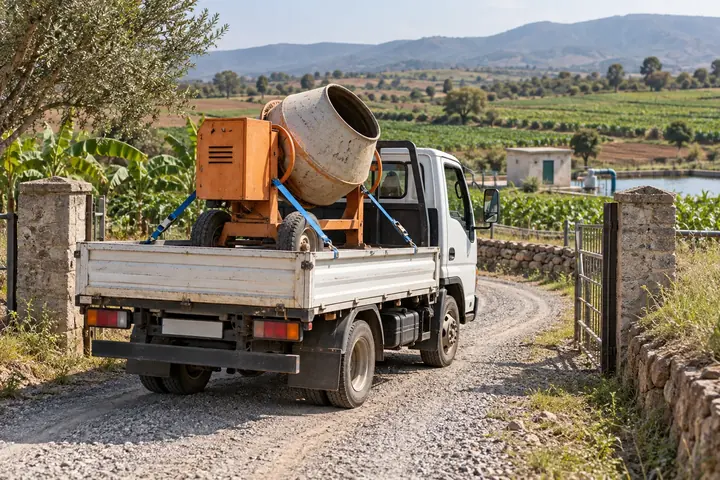
Pump houses, foundations and short road sections may be spread across a farm. Narrow entrances, turning space and ground bearing capacity can limit equipment access.
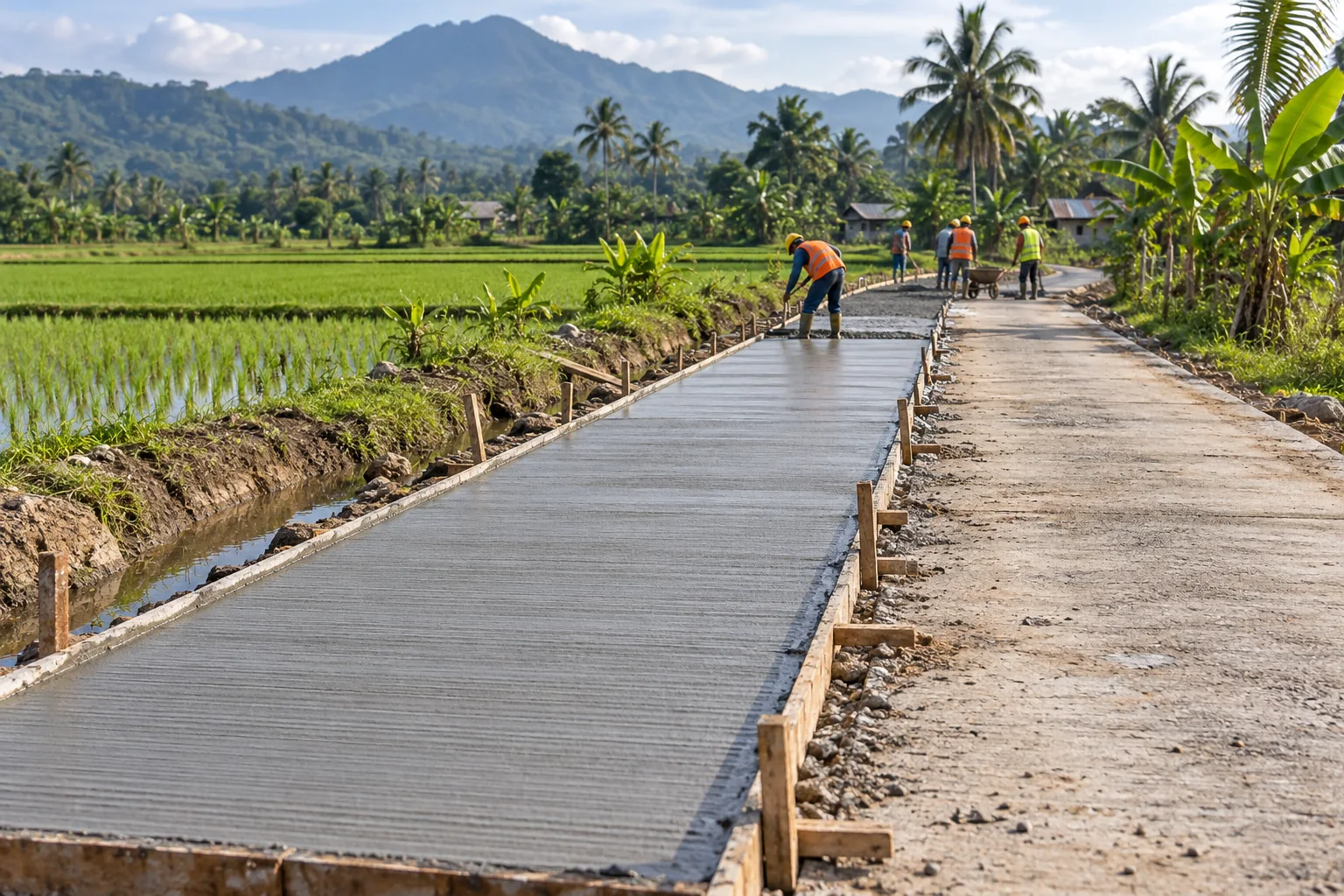
Build access for produce trucks, farm machinery and collection vehicles.
Site Considerations: Design the pavement, sub-base, drainage and surface texture for the expected traffic. This combination applies where a concrete pavement has been specified.
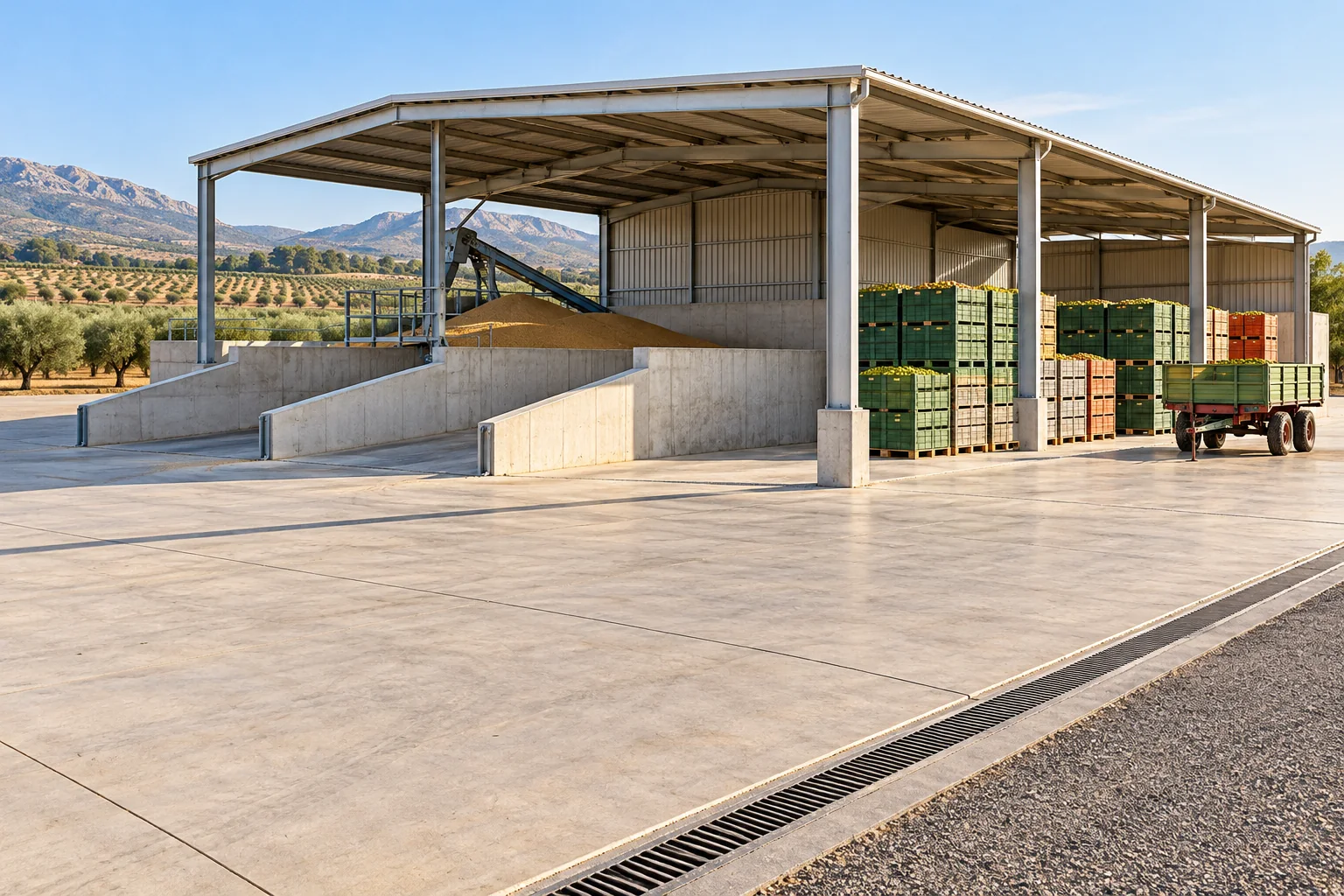
Create working surfaces for loading, handling and cleaning.
Site Considerations: Warehouse floors need suitable load capacity, moisture protection and flatness. Outdoor yards also need drainage falls. Drying slabs must suit the crop-handling process.
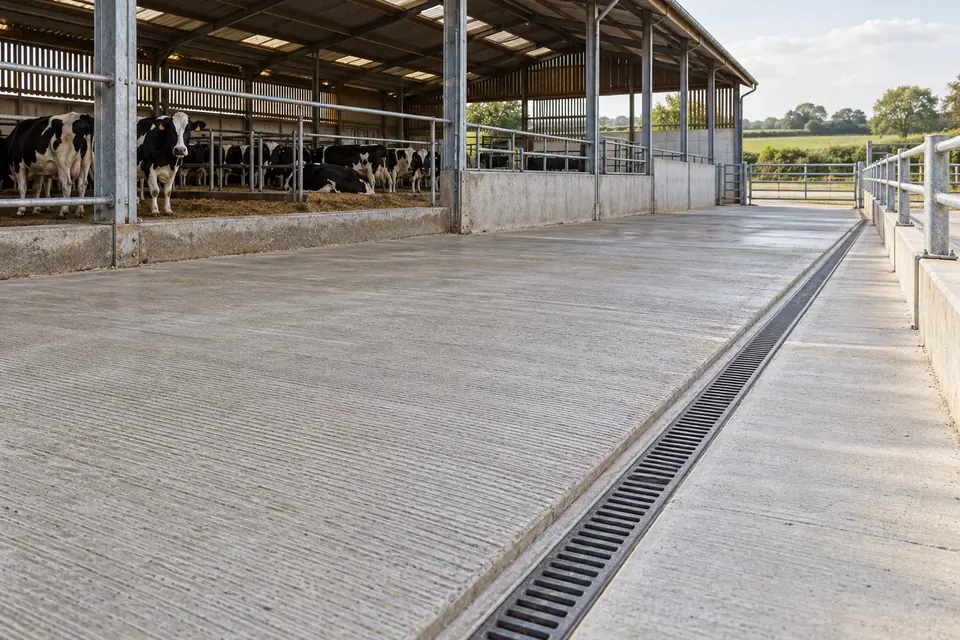
Select finishes separately for vehicle areas and livestock traffic.
Site Considerations: Prioritise slip resistance and drainage in animal traffic and wash-down areas. Use power trowels only where the specified finish allows. Silage and liquid-storage structures need specialist design.
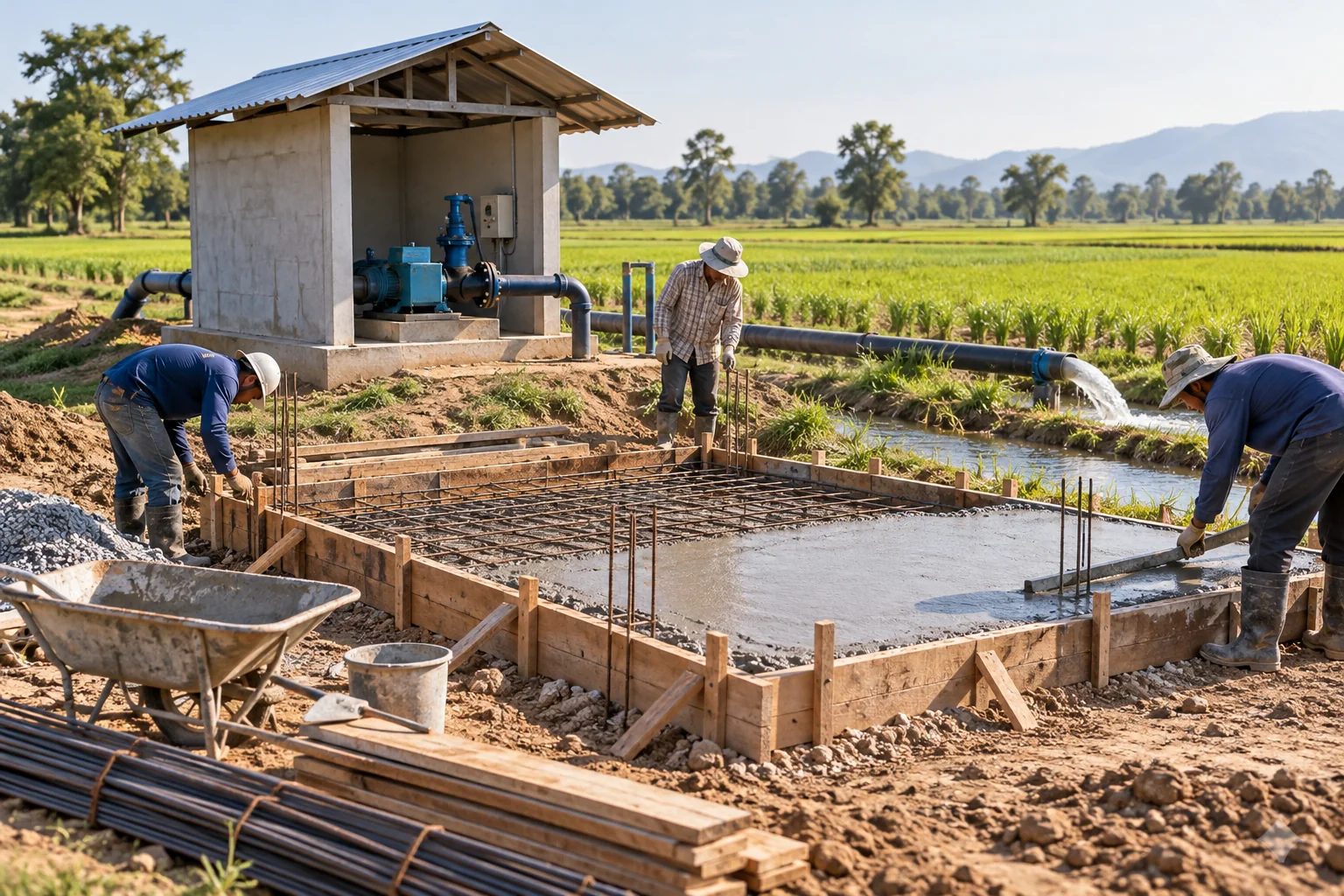
Organise concrete supply for several small pours.
Site Considerations: Check materials, water supply, vehicle access and pour volumes. Select specialist forming equipment separately for canals and other shaped sections.
Select capacity, machine numbers and supporting tools for the scale of work and the available concrete supply.
Typical projects: pump houses, equipment bases, short road sections and local repairs.
Small self-loading mixer
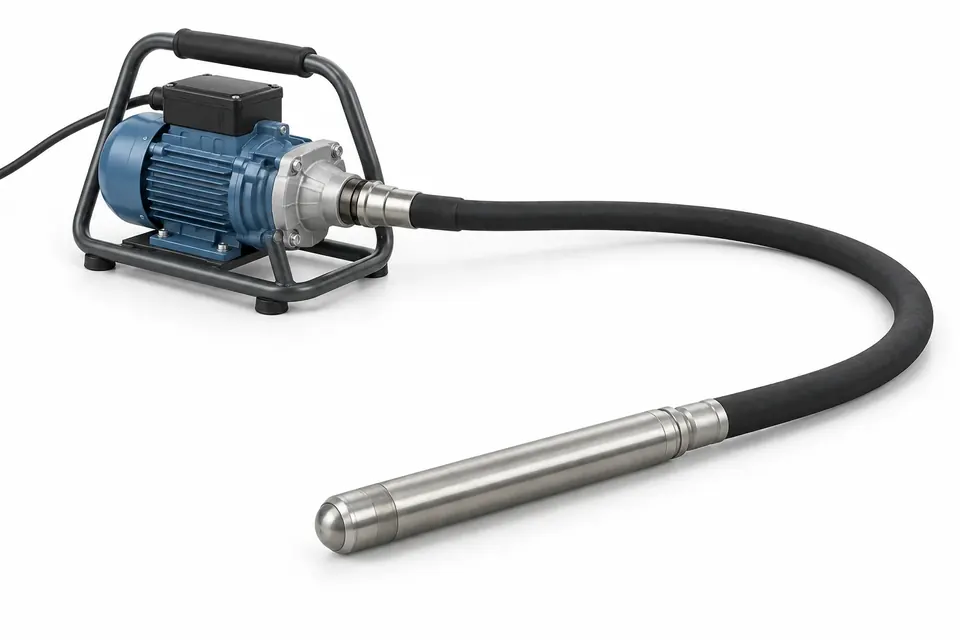
Formwork and vibration tools
1.5 / 2 / 2.6 m³ mixer classes + required formwork and vibration tools
Suitable where the site can supply consistent materials and water, and the mixer can reach the pour.
Typical projects: farm roads, loading entrances and medium-size working yards.
Self-loading mixer or ready-mix
Selected for road width
Selected for cutting depth
3.5 / 4 m³ mixer classes or ready-mix supply + concrete screed + concrete saw
Match usable batch output and travel time to the paving rate before selecting vehicle numbers and screeding width.
Typical projects: warehouse floors, agricultural logistics yards and larger loading areas.
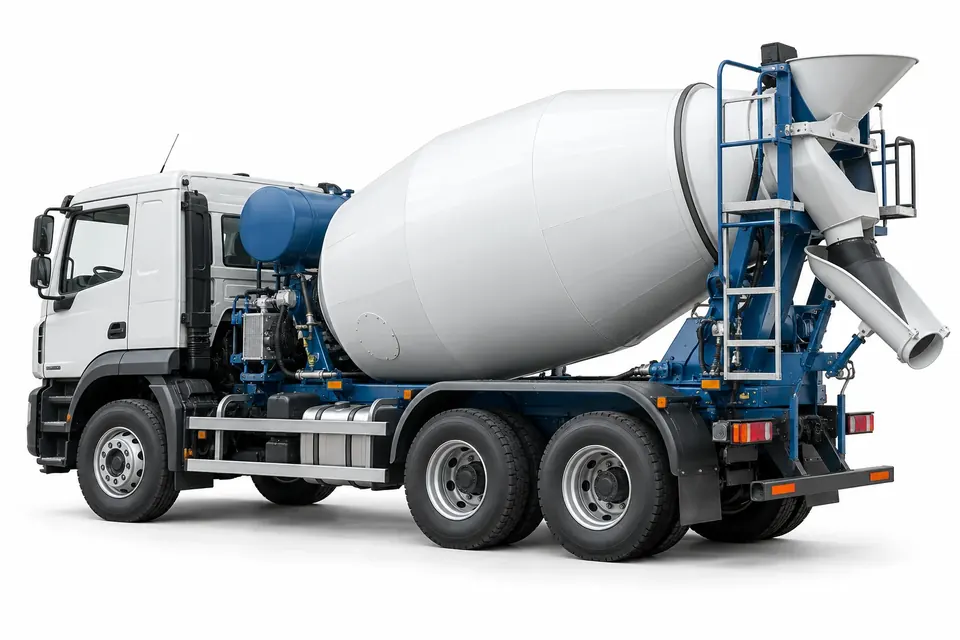
Ready-mix, plant or multiple vehicles
Matched to the supply rate
Selected for the floor use
Based on the slab joint plan
Ready-mix, batching-plant or multi-vehicle supply + screed + suitable power trowel + concrete saw
Compare cost and continuity of supply, then size the equipment fleet and crew for the work.
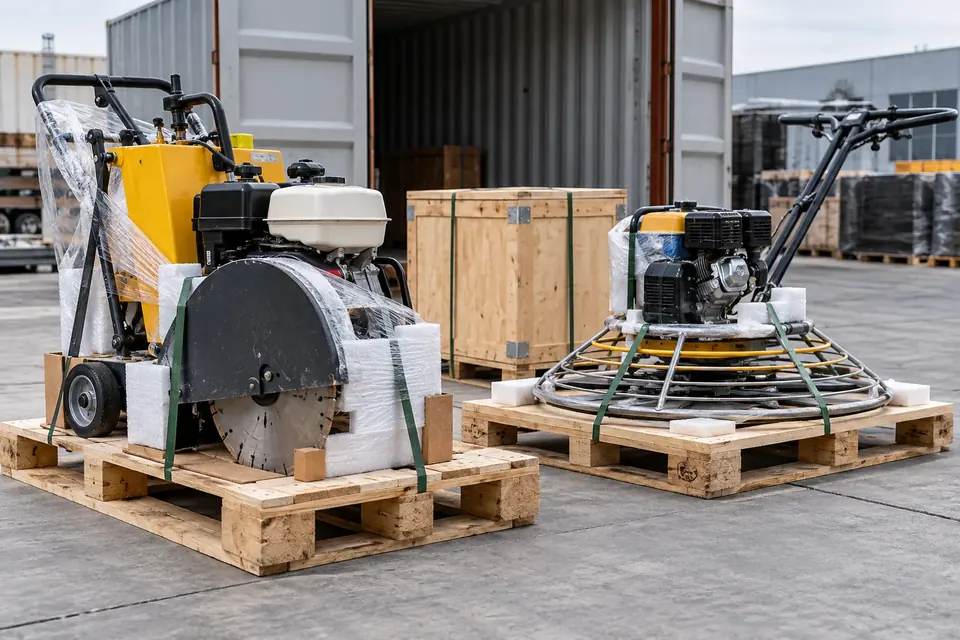
Confirm the shipping method, delivery point and required documents for the destination and equipment size. Agree the machine configuration and accessory list before dispatch.
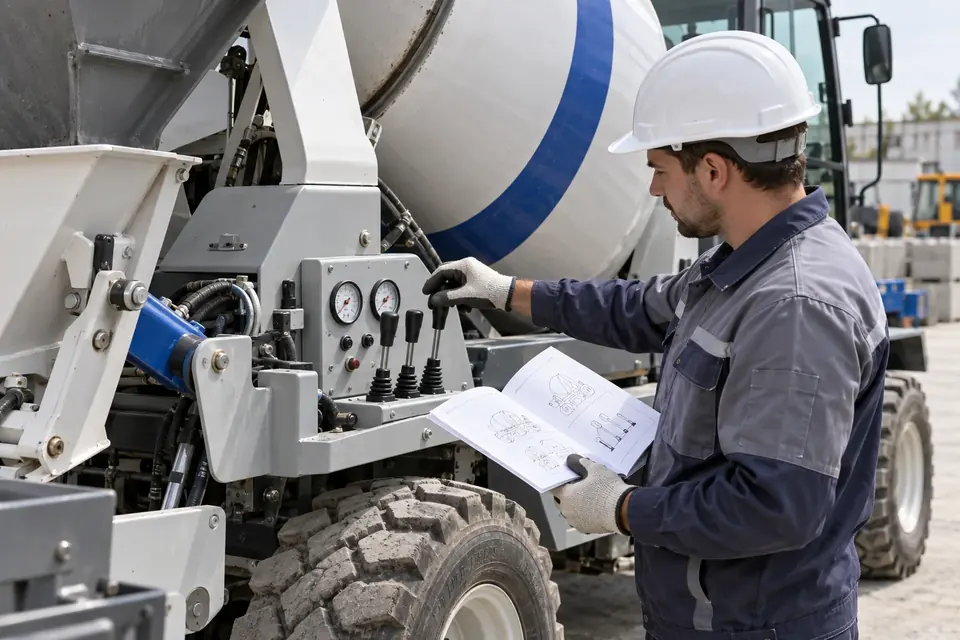
Confirm manual language, batching options and commissioning requirements. Include the agreed operator training arrangements in the supply terms.
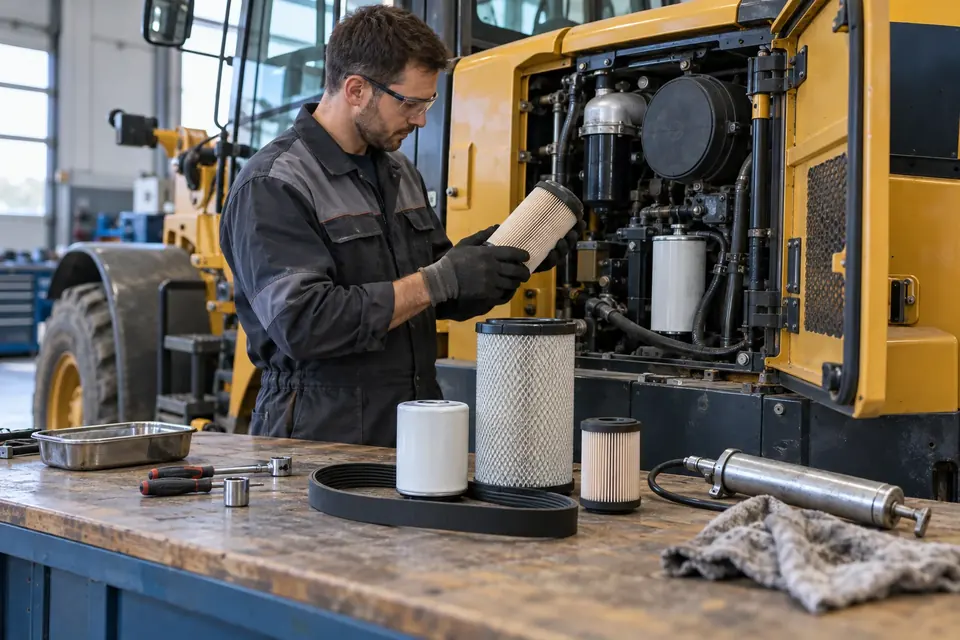
Agree routine maintenance, wear parts, warranty scope and technical support arrangements. Confirm spare-part prices and estimated lead times separately.
Consider on-site mixing where ready-mix plants are distant and material and batching conditions are suitable. Where ready-mix is reliable, focus on screeding, finishing and joint-cutting equipment.
Consider supply volume, screeding width and finishing together. Identify which machines to add and which existing equipment can remain in use.
Farm roads need suitable traction and access. Warehouse floors need load capacity and flatness. Wet livestock areas need slip resistance and drainage. Select equipment for the required finish.
Define the configuration, transport, operating documents and spare parts during quotation so you can compare initial costs and maintenance needs.
Tell us where the project is, what you are building and the expected volume of work. Share available drawings, site photos or an equipment list.
Enquiry about: General enquiry
Thank you. A Realjet specialist will review your message and contact you.
Agricultural application images on this page include illustrations and are not all photographs of completed projects.