
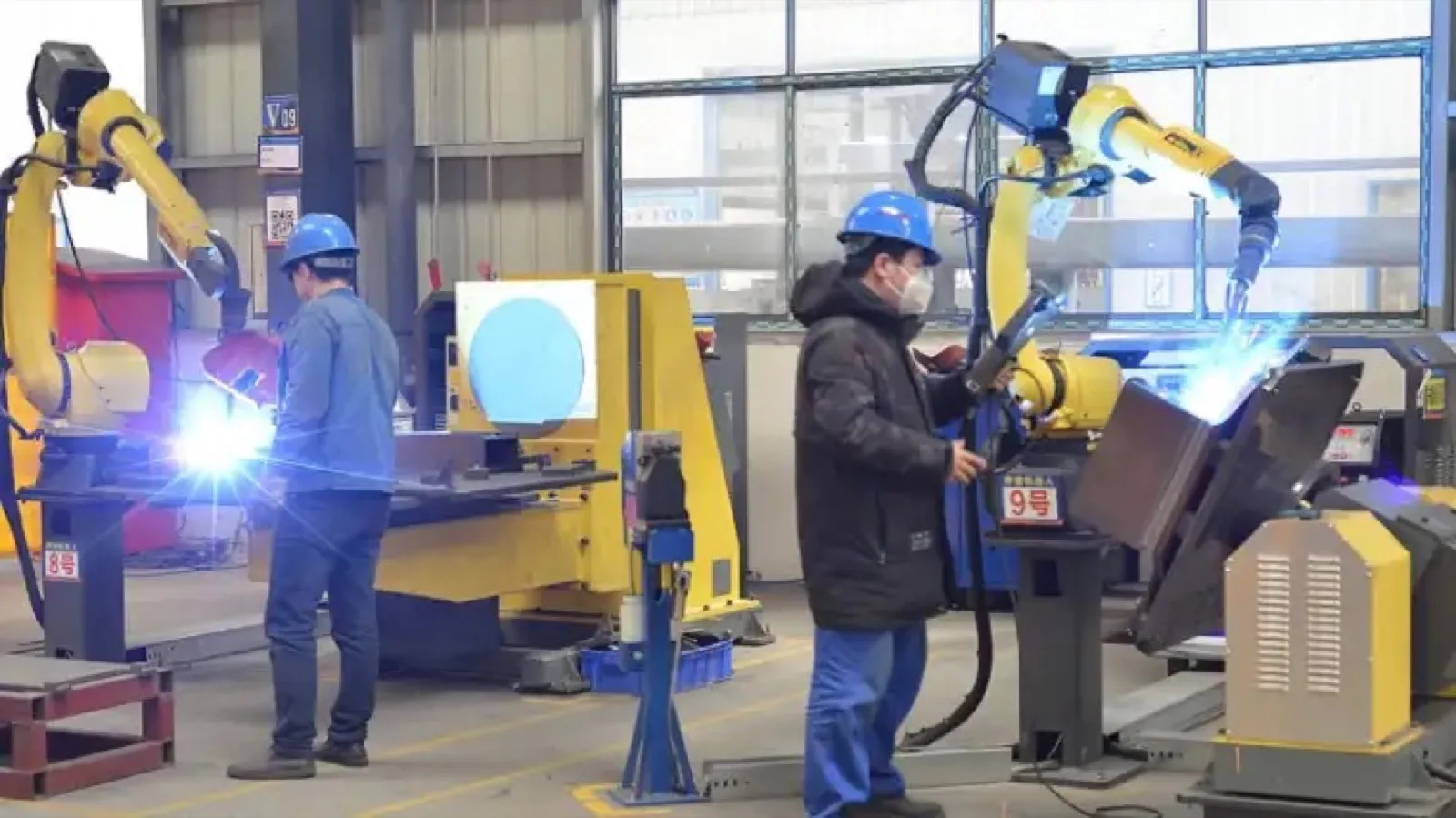
What a supplier needs before it can quote
In contract manufacturing, the supplier builds to your drawings, specifications and delivery terms. It does not design the part. That single fact sets the boundary for who prepares what. The supplier needs a coherent drawing and bill-of-materials (BOM) package before it can price the job, plan materials, choose welding and machining methods, and commit to a delivery date. A vague or incomplete package leads to assumptions, change orders and rework that usually cost more than the original quote.
This guide lists the inputs a buyer should prepare before sending a request for quotation (RFQ) for custom machinery components and welded or machined assemblies.
Revision control is part of readiness. Every drawing you send should carry a revision letter and a date, and the BOM should match that revision. When a supplier works from an unrevised or mismatched set, the safest path is to stop and ask, which still delays the quote. Buyers who keep one controlled revision set avoid most of these pauses.
The drawing package the buyer should prepare
Start with a general arrangement (GA) drawing that shows the overall envelope, main dimensions, datums and the interfaces the component must mate with. Then provide detail drawings for every fabricated or machined item, using a consistent coordinate system and datum references.
For welded fabrications, identify the drawing-symbol system and edition the project uses. ISO 2553:2019 defines rules for representing welded joints on technical drawings, while ASME Y14.5 covers dimensioning and tolerancing practice. For machined features, use the project-selected GD&T system consistently so the supplier knows which relationships are controlled and which dimensions are open. If general tolerances apply, state the exact standard, edition and class rather than leaving the workshop to choose one.
- ASME Y14.5, dimensioning and tolerancing: asme.org Y14.5
- ISO 2768-1, general tolerances: iso.org/standard/7748.html
BOM fields that prevent rework
A BOM is more than a parts list. Each line should carry the material grade, the quantity, the estimated mass, and any certificate requirement. For structural and pressure-bearing parts, specify the material certificate level, for example an EN 10204 type 3.1 inspection certificate that ties the delivered material to its mill test report. Bought-in items such as bearings, hydraulic cylinders, seals and fasteners need their own part numbers and supplier specifications, because the contract manufacturer will procure them on your behalf and must match the approved source.
Record traceability needs up front. Heat or lot numbers, coating specifications and any marking requirements belong in the BOM or its attached notes, not in a later email.
Some buyers also list the expected annual usage so the supplier can suggest stock or consignment of bought-in items, which can shorten lead time on repeats.
Material and process evidence to specify
Decide what evidence the contract requires. For welded structures, the buyer may specify AWS D1.1 or another applicable fabrication code. ISO 3834-1:2021 provides criteria for selecting among the quality-requirement levels in the ISO 3834 series; it is not, by itself, proof that a supplier holds a particular certification. If non-destructive examination (NDE) such as magnetic-particle or ultrasonic testing is required on selected welds, name the method, extent, acceptance criteria and responsible party.
- AWS D1.1, structural steel welding: aws.org D1.1
The responsibility split is straightforward. You provide the design, drawings, BOM and specifications. The supplier provides the certificates and dimensional reports for the work it performs, including a factory acceptance test (FAT) record when the RFQ calls for it. Design authority stays with your engineering team or the designated designer, not with the workshop.
A ready-to-quote checklist
Before you send the RFQ, confirm you can attach:
- The GA and all detail drawings, in a current revision with a revision letter.
- Weld symbols, GD&T and a stated general tolerance grade.
- A BOM with material grades, quantities, masses and certificate levels.
- Specified standards for welding, machining, coating and inspection.
- Surface treatment, painting or corrosion-class requirements, for example ISO 12944 exposure classes.
- Packaging, marking and delivery terms, including any export or crating needs.
- Acceptance evidence expected at shipment, such as FAT, NDE or dimensional reports.
A supplier can still review the package for manufacturability and propose changes, but the design decision remains yours.
How Realjet handles made-to-drawing manufacturing
Realjet manufactures custom machinery components and assemblies to customer drawings, specifications and delivery requirements. A relevant example is a contract-manufactured crane boom head with fabricated and machined interfaces. The final manufacturing, assembly and evidence scope still has to be defined in the RFQ. The work begins with the buyer's controlled drawing and BOM, not with a catalogue part.
If your drawings are ready, review Realjet's made-to-drawing contract manufacturing services and prepare the RFQ package above.