
What made-to-drawing contract manufacturing means
Contract manufacturing, in the made-to-drawing sense, is simple to define and easy to confuse with other services. You supply the engineering: the drawings, the bill of materials, the specifications and the delivery terms. The supplier supplies the workshop, the labour, the welding and machining equipment, the quality system and the packing. The supplier builds the part; it does not design it.
That boundary matters because it sets who is responsible for what. When you buy a finished machine, the seller owns the engineering and the performance claim. In made-to-drawing work, your drawings define the part, and the supplier is judged on whether the built item matches those drawings within the stated tolerances and standards.
Realjet works this way for custom machinery components: welded frames and structures, machined interfaces, hydraulic tanks, conveyors, booms, turntables and complete assemblies built to customer drawings. The contract manufacturing services page describes the scope in more detail.
How it differs from buying a finished machine
The practical difference shows up in three places.
First, the engineering risk sits with you. If a bracket deflects or a frame does not fit, the cause is usually traced to the drawing or the specification, not to the supplier's build. You decide the material grade, the joint design, the machining datums and the acceptance criteria.
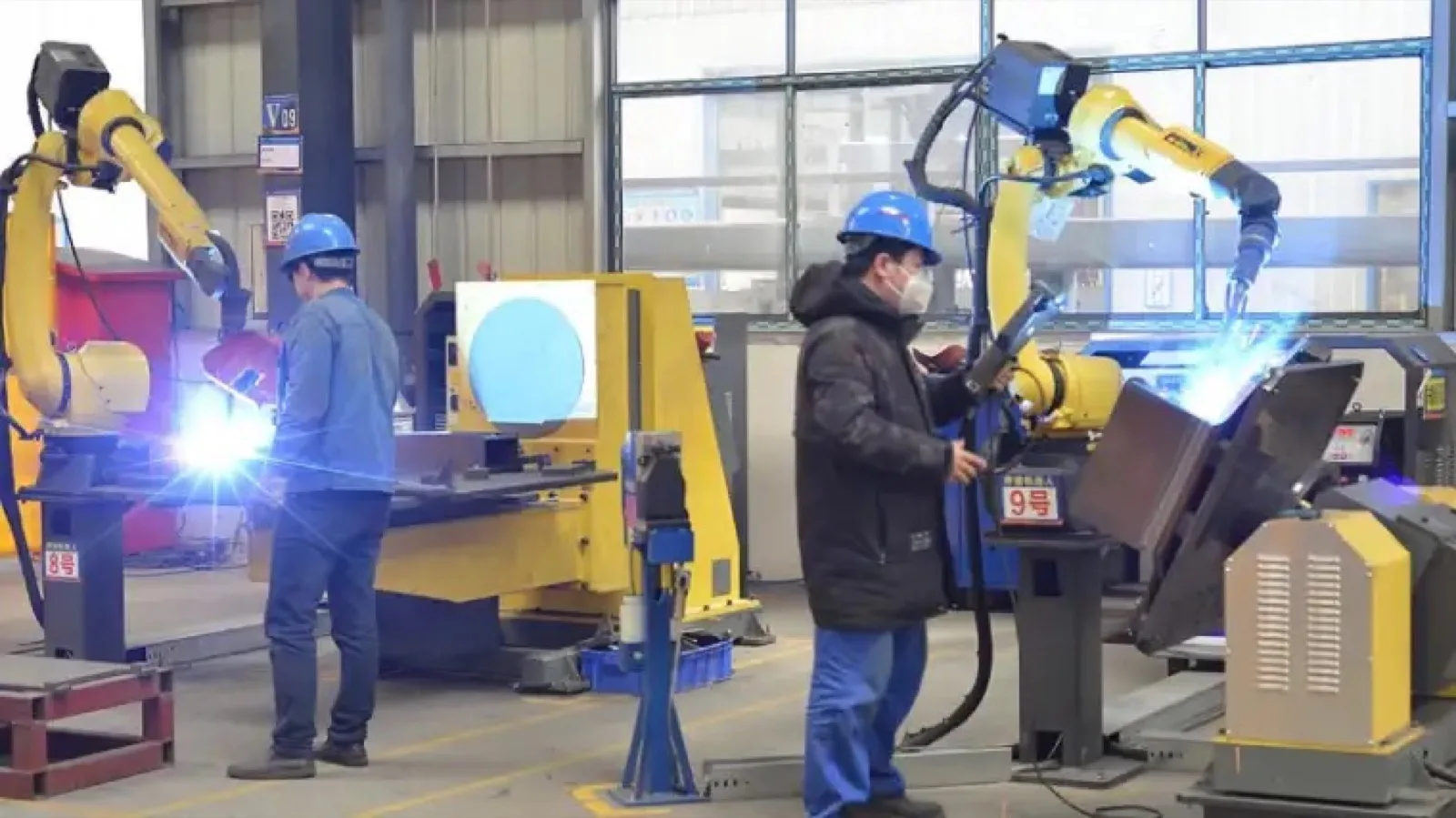
Second, the supplier's value is in execution and control. A capable shop qualifies its welding procedures, keeps material traceable, machines to your datums, inspects the result and packs it for the journey. You are buying capacity and discipline, not a product design.
Third, the commercial package is different. Quotes are built from material, welding, machining hours, fixtures, inspection and logistics, not from a catalogue price. Two suppliers can quote the same drawing very differently if one assumes a higher welding code or more inspection than the other.
What you must provide before requesting a quote
A quote is only as good as the package behind it. Before you approach a supplier, prepare:
- A complete drawing set: general arrangement, fabrication details, and any machined interface drawings with datums and tolerances.
- A bill of materials that names each item, its quantity, the material grade and any certificate class.
- The welding specification: which code applies, the acceptance level, and any procedure or welder qualification the supplier must hold.
- Machining requirements: datums, tolerances, surface finish and fit interfaces, covered in our note on machined interface tolerances.
- Surface treatment and coating specification, if the part ships painted or galvanised.
- Inspection and NDT requirements, plus any first-article or dimensional report you expect.
- Packing, marking and delivery terms, including the destination and Incoterms.
Our drawing and BOM readiness checklist expands each of these points. A vague package leads to assumptions, change orders and rework that usually cost more than the original quote.
Where welding and quality standards set the boundary
Welding is where drawings and standards meet, and where buyers most often under-specify. For structural steel, the American Welding Society publishes AWS D1.1, the Structural Welding Code, which defines joint design, procedure and welder qualification, acceptance criteria and inspection. It is the default reference for many buildings, bridges and machines specified to US practice.
For projects aligned with European or international practice, ISO 3834 sets quality requirements for fusion welding. It is a quality-management standard for the welding organisation, not a product acceptance code, and it is often paired with EN 1090 for structural steelwork and with ISO 5817 for weld acceptance levels. ISO 9001 covers the wider quality system.
The distinction is practical: AWS D1.1 tells the welder how to make and judge the weld; ISO 3834 tells you the shop controls its welding process. A supplier that holds ISO 3834 has demonstrated discipline, but if your drawing calls for AWS D1.1, the procedures must still be qualified to that code. Our welding procedure and NDT guide covers what to put in the RFQ.
Material traceability runs alongside welding. Mill certificates to EN 10204, at the class your project requires, prove the steel matches the grade on the drawing. Our note on material certificates and traceability explains the classes and when each is worth specifying.
What the supplier is responsible for
Within the scope you define, the supplier should:
- Build to the drawings and specifications you provided, not to an assumed design.
- Hold and apply the welding code you named, with qualified procedures and welders.
- Keep materials traceable to mill certificates and records.
- Machine to the datums and tolerances on your drawings.
- Inspect and document the result, including any NDT or dimensional report you required.
- Pack and mark the items for the agreed transport and destination.
Anything outside that scope, such as design changes, field fixes or performance guarantees, should be written into the contract before production starts. Suppliers cannot be held to a specification they were never given.
How to brief a supplier and what to check next
Start the conversation with a complete package rather than a sketch and a request for a budget. Suppliers quote faster and more accurately when the drawing, BOM, welding code, machining datums and inspection needs are clear. Ask each candidate for evidence of the welding qualifications your project requires and for references on similar parts.
When you compare quotes, look past the number. Check that the welding code, inspection scope, material certificate class and delivery terms match across suppliers, because those are the items that move both price and risk. From there, the contract manufacturing services page is the place to review Realjet's scope and start a project discussion.